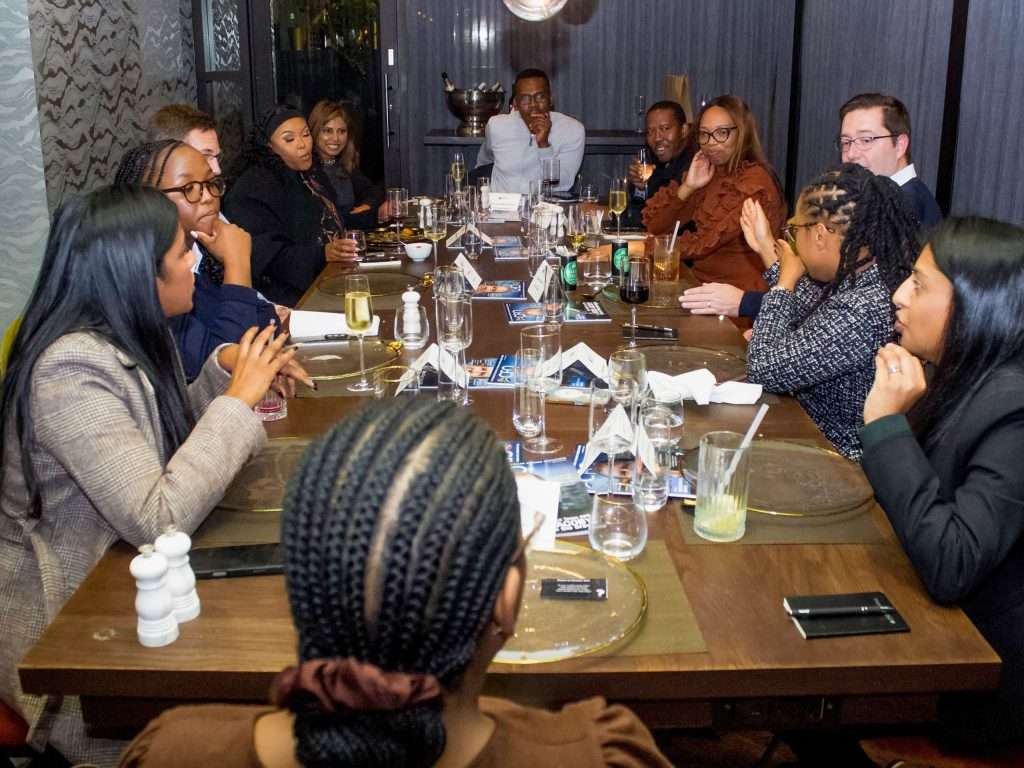
South Africa’s leading finance executives gathered for an evening of candid reflection on the invisible pressures shaping modern business, from geopolitics and AI to culture, people and reputation. The conversation revealed a defining truth for today’s CFOs: resilience is no longer optional and adaptability has become the currency of survival.
Beneath Johannesburg’s glittering night sky, the elegant setting of Aurum Restaurant in Sandton became the backdrop for an exclusive dinner and evening of honest reflection, sharp debate and forward-thinking conversation among some of South Africa’s leading finance executives.
As the city lights shimmered in the distance, some of the country’s finance leaders gathered to unpack one pressing question: how do organisations sustain growth, strengthen resilience and remain agile in a world where disruption has become constant?
The discussions moved beyond balance sheets and dashboards, delving into the hidden and often unmeasured costs shaping modern organisations. From absenteeism and workplace culture to geopolitics, artificial intelligence and unemployment, attendees reflected on the realities CFOs are increasingly being forced to confront.
“The Strait of Hormuz is currently an unspoken challenge that we all didn’t think would have such an impact, that is why we had to quickly adjust quickly and figure out how to adapt,” said one CFO.
There was broad agreement that global geopolitical tensions and international instability continue to place immense pressure on the local economy. Yet, amid the uncertainty, one theme emerged repeatedly throughout the evening: the role of the CFO is no longer simply to forecast the future, but to be prepared for it before it arrives.
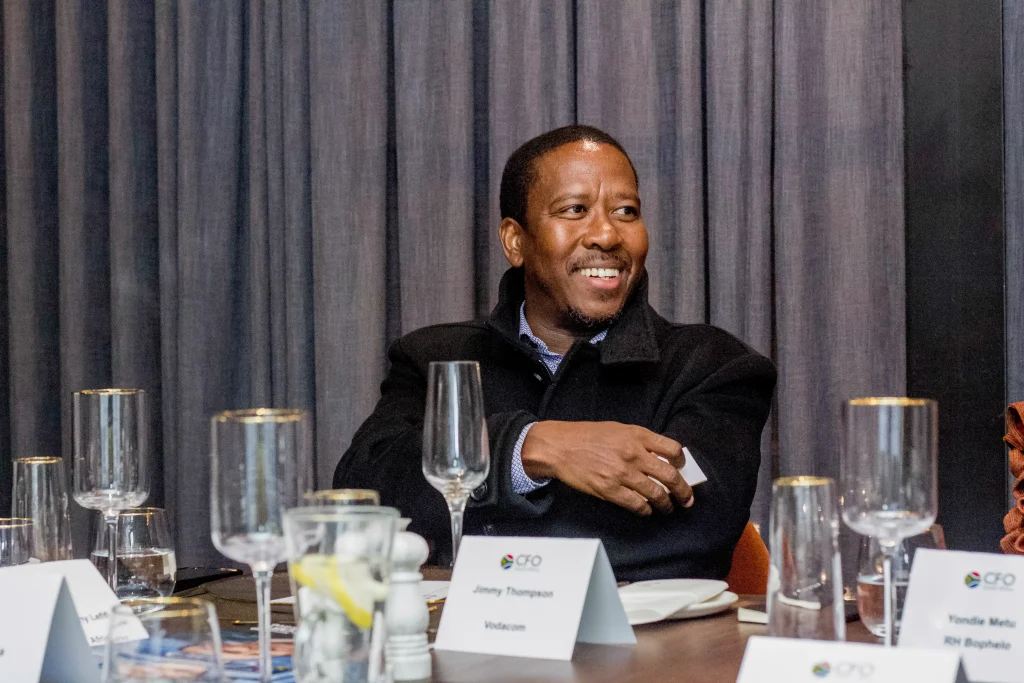
“We CFOs have to be agile and try to navigate challenges, but we should always be prepared for them even before they come. Our minds should always look ahead in that sense,” he added.
The conversation then shifted to the power of people and organisational culture, elements many executives described as “unspoken costs” that rarely appear on financial dashboards, yet significantly influence business performance.
Importance of workplace culture
One CFO explained that investing in workplace culture had delivered unexpected value within their organisation. “We realised that investing in improving the culture in the company had, interestingly enough, a huge impact on the company and we had to implement systems in place that make everyone in the company comfortable with the work culture of the company, that’s an unspoken cost that doesn’t appear on my dashboard as CFO.”
“And that brings us to the aspect of people, because they are a critical aspect of any company, whether customers or employees,” another CFO chimed in.
“In the healthcare industry, people are the core of the business, nurses, doctors, patients, even family members. So their impact is not fully measured until you see results when there has been a decrease somewhere. That is why we have been proactive because of the feedback we get from the staff and then we became intentional about making sure that the people on the ground are comfortable and happy. You need to be proactive and manage stakeholders as much as you can,” she said.
Stepping out of the comfort zone
As the evening unfolded, attendees acknowledged that rigid adherence to traditional business practices could no longer guarantee survival in today’s environment. Adaptability, they argued, has become one of the most important leadership traits in modern business.
“We are arrogant, not agile enough. We need to be diverse and have a wide range of ideas so that we can steer the company in the right direction,” said one CFO.
For a brief moment, the room fell still as executives absorbed the sobering reality before them, which is to adapt or risk being left behind.
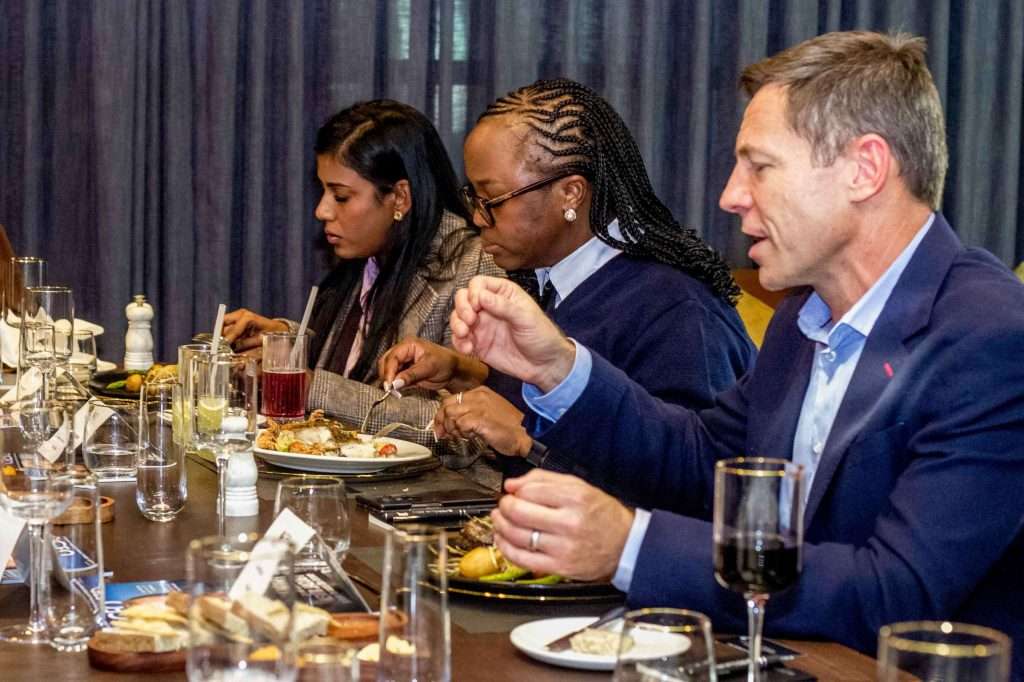
The conversation naturally evolved towards innovation, technology and the rapidly growing influence of artificial intelligence. Attendees agreed that CFOs can no longer afford to remain distant from technological developments shaping their organisations.
“In this new age of AI, we simply cannot be left behind. We can take advantage of it so that we can use it to help the business,” another attendee added.
“But it is also important for us to be able to apply our minds and not let it replace our insights and creativity! I’ve had to learn everything there is about my IT department so that I can understand what is happening there and that makes me able to make sound judgements and decisions,” said another CFO.
An attendee also spoke about the unspoken cost and challenge of keeping and maintaining a good reputation within the industry and surrounding communities, linking back to the people aspect. She added that if the people are not happy, especially the customers, then the business immediately suffers. “That is why we have had to invest in different initiatives and systems that make it easy and possible for us to maintain a good reputation with our customers.”
The CFO explained that societal risks are important and that is why he and his team have found ways to give back to society, offering donations and community outreaches. “And that has helped with our brand image! The more visible we are to the public, the more we are in people's faces, the easier it is for them to come to our services because we are the first people they think of! Just by giving back, we are able to influence customer behaviour,” he added.
Positive injections
Another CFO raised the importance of using rising competition from competitors as an injection that can help steer the company in the right direction, so that it can adapt and potentially keep up with the competition. “Simply put, if you sit still and do not use what others are doing to inspire you to do more, your company won’t survive,” the CFO explained.
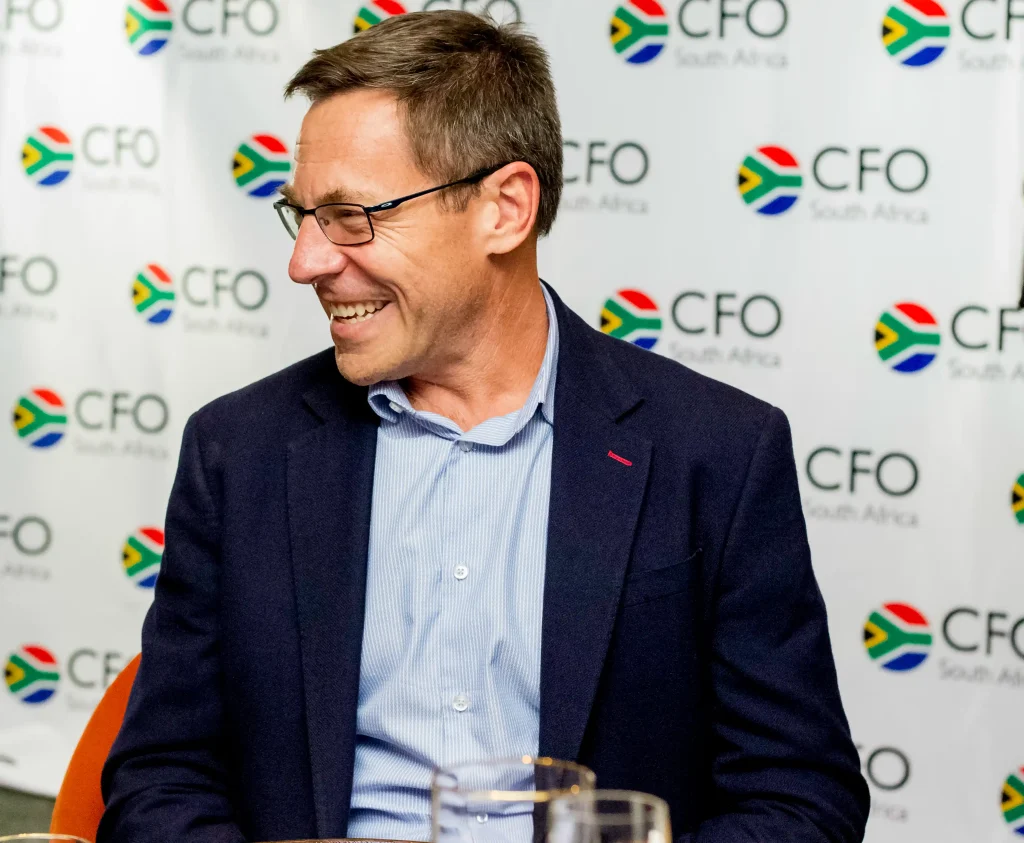
As the evening drew to a close, optimism quietly settled across the room. While the challenges facing businesses remain complex and unpredictable, attendees expressed confidence that the insights shared throughout the evening would help shape stronger, more resilient organisations for the future.
Slowly, the clinking of cutlery and glasses softened as executives made their way into the Johannesburg night, leaving with a renewed understanding that modern leadership is no longer defined by certainty, but by the courage and agility to navigate uncertainty head-on.
Those in attendance were:
- Boipelo Lekubo – financial director, Harmony Gold
- Clarissa Appana – group CFO, Tracker Connect
- David Chadinha – CFO, EAZI Access
- Jimmy Thompson – executive head of VB at Vodacom Group
- Meghna Ravjee – CFO, Ashburton Investments
- Nafisa Kistan – CFO, Kia
- Ted Willcox – financial director, National Brands
- Thabile Ngidi – CFO, Bidvest Prestige
- Thembeka Ngubane – finance executive importer, Hyundai
- Thembelihle Mjaji-Mbatha – group CFO, Mintek
- Yondie Metu – CFO, RH Bophelo