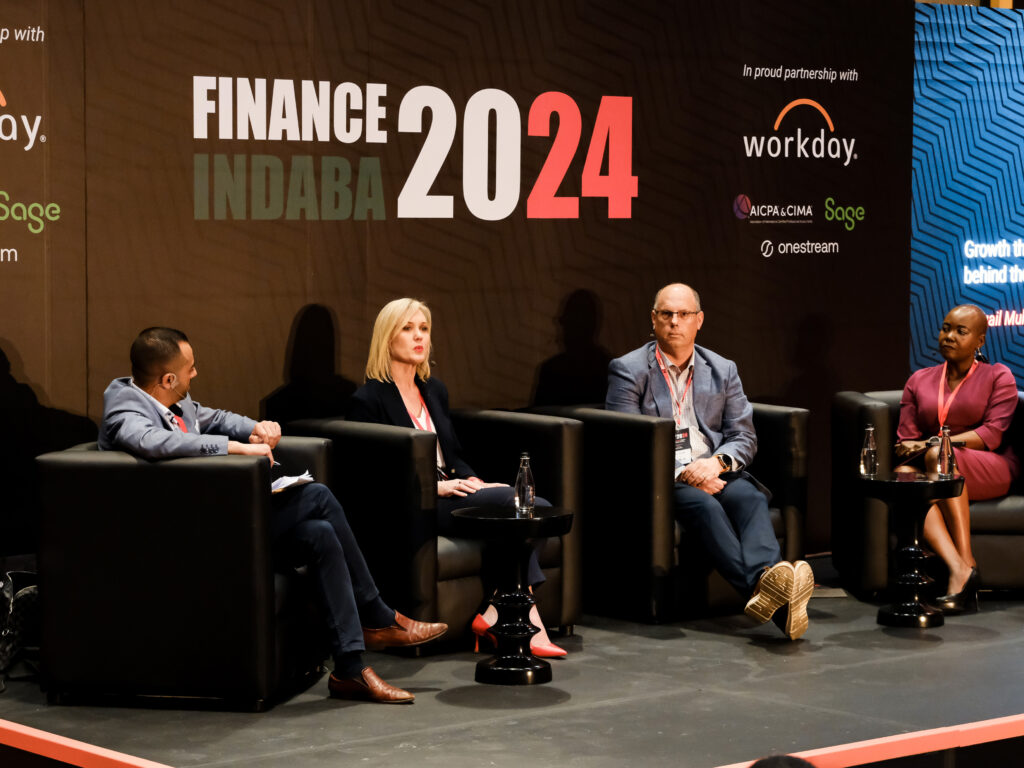
When it comes to planning to purchase a company, it is important to understand the people and culture involved in that acquisition process, shared speakers at the 2024 Finance Indaba.
In a Finance Indaba session titled, Growth through acquisitions: the people behind the deals, financial leaders shared interesting anecdotes of successful acquisitions that they have performed in their respective capacities.
Afrimat CFO Pieter de Wit highlighted the importance of good relations from the first contact. “What makes an acquisition successful really comes down to how a deal is started when you first approach the owner,” shared Pieter.
He began the discussion by making an example of when an owner of an underperforming business approaches him, often with a heavy heart, but hopeful that an acquisition is the only way to help save the business.
Based on his years of experience in such transactions, Pieter knows the social aspects and the emotional experience that these transactions carry. It is important to realise that this is a two-way deal where you both need to gain value from the process, he advised.
“It’s all about turning the business around. It is easier to unlock the value of underperforming assets – you buy in at a low level and then help create the value and opportunities for the people involved,” Pieter shared.
Group CFO of Decision Inc. Joanne Tanner shared how the technical aspects of an acquisition are always talked about, however she highlighted that the chemistry between the people in the deal is just as important.
“I am a curious person and have learnt to read people by looking at body language and how to overcome cultural barriers. Chemistry between people is needed to make the acquisition successful and it gives a better understanding of how to approach the business,” Joanne said.
Group financial director of Sanlam Abigail Mukhuba shared how some acquisitions can take months or even years to process; she has learnt that integrating people is an important part of the acquisition process from the onset.
“You need to be culturally aware, understand the region, as well as the impact of the process on the people involved. This starts at the top with leaders leading the engagement to management and further down,” Abigail said.
Abigail added that an acquisition is like a marriage, with both people getting into a lifetime commitment, therefore forming these engagements is essential in the bigger, longer term of the contract agreement.
Joanne said that sometimes you fall in love quickly with a deal, or what you think the potential might be, but you need to practice due diligence, test your thinking and trust your instincts.
Pieter said that at the end of the day, not all deals work out and you need to learn to be honest with yourself and walk away – and that’s okay.