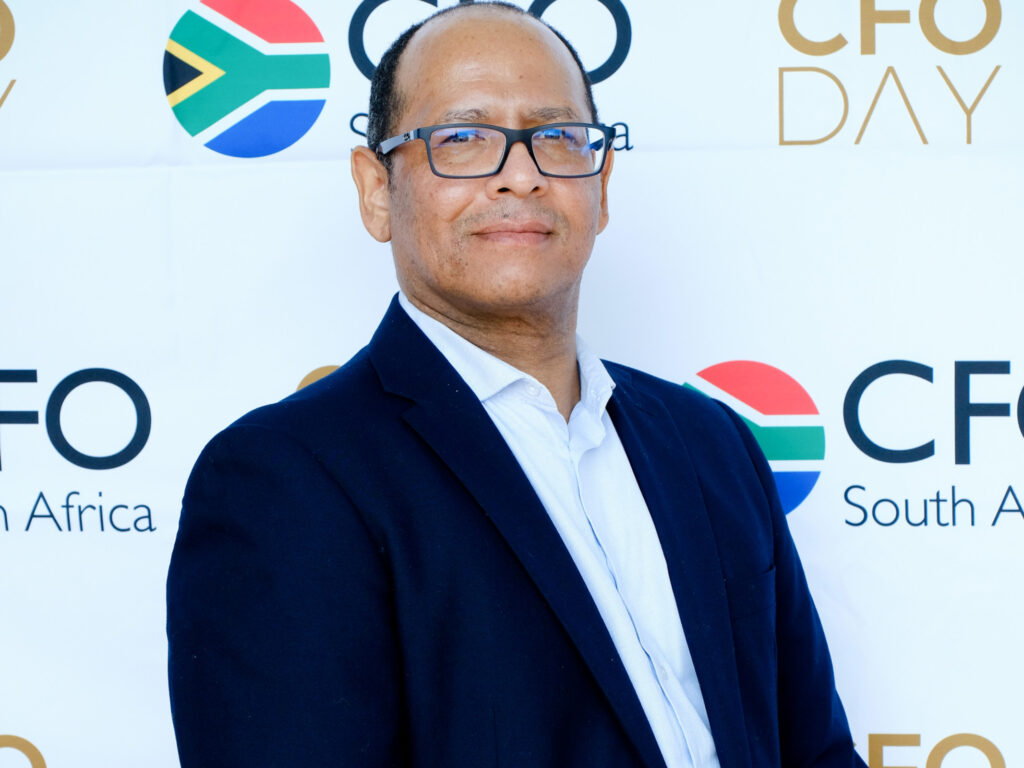
Eskom CFO Calib Cassim elaborates on his leadership lessons from his 22-year tenure at the state utility.
Eskom CFO Calib Cassim is responsible for Eskom’s 2,500-strong finance community. Outside of finance, he oversees treasury, procurement, shared services, regulation and the company’s extensive property portfolio. Juggling an intense workload means working long hours and being deliberate about how he spends his time.
“I avoid unproductive work and track how I spend my time. “This includes spending less time in meetings and keeping them short. I prepare well and only arrange meetings for clarity or making decisions. When I chair a meeting, I steer participants away from points not material to the discussion.”
- Making the call: While collaboration is important, time pressures dictate speedy decision-making, even when the information is not perfect . “If you get 80 percent of your decisions correct, you will move forward. When you hesitate, there’s a higher cost of not making decisions,” says Calib. During the state capture years at Eskom, approvals were often delayed as employees feared making the wrong decisions. This meant that matters were sent to committees for discussion, which was detrimental to productivity or progress. “We’re trying to change this. As long as you are ethical, follow the procedures, and collaborate, go ahead and sign it as delegated.”
- Take the jobs no one else wants (and be patient): Calib advises career-minded people to take the difficult jobs that nobody wants: “Put your hand up for the messed up work. That’s where you are going to grow. A big complex organisation like Eskom doesn’t turn around quickly. You learn less when things are running smoothly. You’ll develop a reputation for getting things done.” Another important point is, “Never give up. Big shifts don’t happen overnight. Note every little success and know you may have to wait years to see the full benefits. Nothing worthwhile is accomplished quickly.”
- Communicating and delegating: Calib is clear about communication. He prefers telephone conversations and quick meetings rather than long emails. He also doesn’t micromanage, but empowers his team. They consult him when necessary but, in general, remain focused on their deliverables. “I watch the big ticket items and ensure we deliver the finance mandate. The business must see finance as a trusted and approachable partner. We cannot be the bottleneck.” Calib has an open-door policy, and team members know he is receptive to feedback. “The Almighty gave us two ears and one mouth. We should listen twice as much as we talk. If you really listen, you will hear what the organisation’s doing wrong or where you can improve. We all have shortcomings. As a leader, you must accept criticism.” Leadership requires the courage to deliver bad news without the sugarcoat. Early in his career, Calib told the exco that Eskom was projected to lose money in five years. “I stood before that exco for about an hour and a half, and it felt like a firing line. It was unheard of in Eskom’s history. If you’ve checked your facts, don’t hide it, because it won’t disappear. Confront the difficult conversations, and you’ll become stronger in the process.”
- Handling organisational politics: Anyone with career aspirations needs to learn how to navigate organisational politics. “Managing politics is not covered at university or business school. This includes being able to read the room and knowing when to speak or stay quiet. It comes with time and learning from experienced people.” “My biggest learning from my master’s studies was dealing with different team dynamics on group projects. People have diverse perspectives. Yes, you must be fair, but people have different skills and personalities and need to be managed differently.”
- Be human: Paradoxically, leaders look stronger, not weaker, when willing to share their human side. “Show when you are vulnerable. You’re not a superhuman. You make mistakes. Also, allow your team members to make and learn from mistakes. You won’t grow as fast if you are not allowed to fail.”
- The importance of hope: Calib spent a year as Eskom’s acting CEO in 2023 when loadshedding was at its peak. The utility was facing Stage 8 or higher loadshedding. Morale plummeted, and senior people left the organisation. “Employees were embarrassed to wear their uniforms. I needed to convey my faith that we could turn things around. My CEO’s message in the internal magazine always ended with a hopeful message,” comments Calib. Hope can’t be only words, but must be deeply felt by the leader. “Staff can see your credibility and honesty. If you can show you believe in a vision, many will buy into it. The actions we started paved the way for the generation recovery plan.”