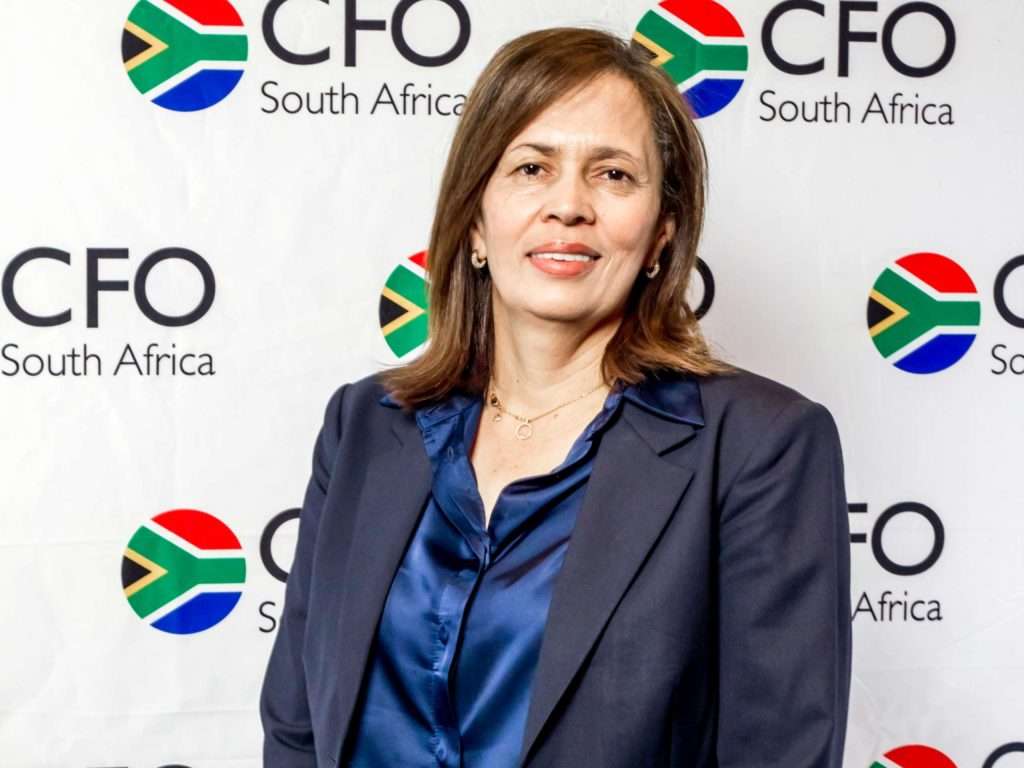
JSE CFO Fawzia Suliman discusses the evolving role of the CFO, the importance of confidence and discipline, and why finance leaders must prepare themselves for what comes next.
For JSE CFO Fawzia Suliman, the modern finance leader needs to look beyond the numbers and understand how finance can contribute to the wider business. In this Q&A with CFO South Africa, she shares her views on strategic finance, technology and AI, building confidence, maintaining discipline and the advice she would give to young women aspiring to reach the C-suite.
The modern CFO is expected to be much more than the custodian of the numbers. What does being a strategic CFO mean to you?
Being a strategic CFO means using financial insight to shape where the business is going, not only to explain where it has been. It means connecting capital allocation, risk, technology, people and performance to the organisation’s long-term strategy. The finance function should be a business enabler and catalyst, bringing evidence and commercial judgement to decisions while safeguarding the organisation’s financial health.
How do you make sure finance has a seat at the table when major business decisions are being made?
Finance earns its seat by understanding the business, not only the ledger. My team needs to engage early, bring relevant data and insights, frame the trade-offs and help colleagues test whether an idea is financially sustainable and strategically aligned. When finance is collaborative, commercially curious and able to turn information into insight, it becomes a natural partner in decision-making.
What numbers or indicators do you personally look at first when you want to understand whether the business is performing well?
I start with a balanced view rather than a single number: revenue quality and diversification, cost discipline, margins and cash generation, alongside progress against strategic priorities. I also want to understand what is driving movement in those indicators, because the story behind the number is as important as the number itself.
What is one area of the finance function where you believe CFOs should be challenging the status quo?
The biggest opportunity is to move people away from routine, manual work and towards insight and strategic contribution. Automation, AI and data analytics can improve accuracy, streamline processes and free finance professionals to focus on higher-value work. The challenge is not simply to digitise an old process, but to rethink what and how the finance function should deliver for the business.
What role has confidence played in your career, and how did you develop yours?
Confidence has been essential, especially when I stepped into roles before I felt completely ready. Early in my career, the confidence others placed in me helped me build my own. My father also gave me a deep sense of self-belief and my husband has been my greatest cheerleader. Over time, confidence grew through preparation, hard work, trying new things and proving to myself that consistency can carry me through difficult challenges.
You have spoken about discipline and hard work being important to your success. What does that discipline look like in practice?
Discipline is doing the work consistently, even when motivation is not there. In endurance training, it is getting up early, following the plan and focusing on the next kilometre. In leadership, it is preparing properly, following through, staying close to the facts and applying the same care to everyday decisions as to high-profile ones. It also means being kind to yourself when a day does not go perfectly and returning with focus the next day.
What advice would you give a young woman in finance who wants to become a CFO one day but doesn’t yet see herself as a future C-suite leader?
Do not wait until you feel completely ready. Build your technical foundation, stay curious about the whole business and take opportunities that stretch you. Surround yourself with people who support and challenge you, and do not be afraid to ask for guidance. Most importantly, back yourself. Doubt is natural, but it does not have to make the decision for you.
What do you wish someone had told you when you were starting your career?
I wish someone had told me that progress isn't about having the perfect plan, it's about being willing to take on new challenges and trusting that you'll learn along the way. Some of the most rewarding opportunities in my career came from stepping outside my comfort zone and saying yes to something unfamiliar.