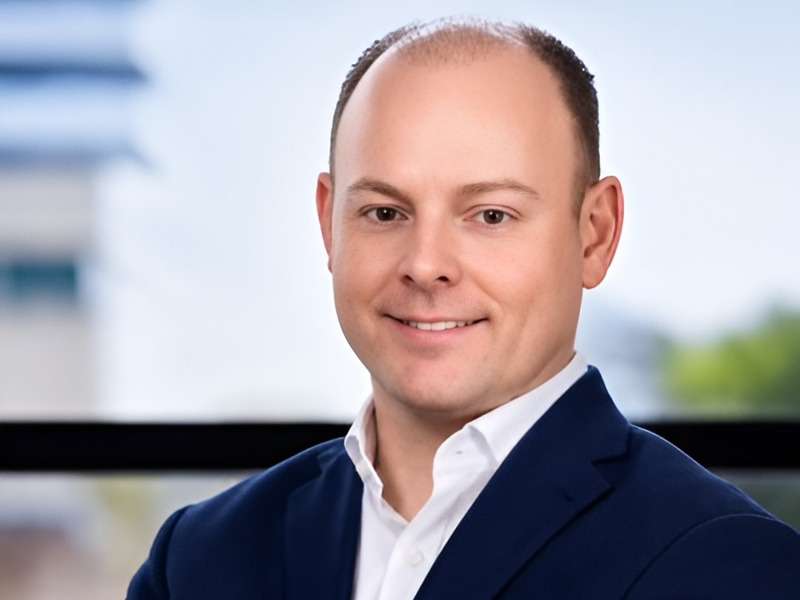
The FirstRand Commercial and Corporate Banking CFO reflects on leadership, the evolving CFO role, learning from setbacks and the importance of helping others grow.
In an interview with Dale Stonebridge, CFO of FirstRand’s Commercial and Corporate Banking division, he discusses the responsibilities that come with leading a finance function, balancing financial discipline with innovation and building high-performing teams. He also reflects on his leadership philosophy, the lessons he has learnt from setbacks and the legacy he hopes to leave behind, both professionally and personally.
What is something people would be surprised to learn about you outside the office?
Many people assume finance professionals are naturally drawn to numbers above all else. What actually energises me most is helping people grow. Some of the most rewarding moments of my career have been seeing people I have mentored progress into leadership roles themselves.
What does stepping into the CFO role at FirstRand: Commercial and Corporate Banking mean to you personally, and what excites you most about this next chapter?
It is both a privilege and a significant responsibility. FirstRand has a strong heritage, exceptional people and an important role in supporting clients and the broader economy. Personally, it represents the culmination of many years of learning and experience. What excites me most is the opportunity to help shape the future of the organisation while continuing to build strong teams and create value for clients, shareholders and colleagues.
How do you see the CFO's role evolving in a financial institution navigating technological change, market uncertainty and shifting client expectations?
The CFO role has evolved far beyond stewardship and reporting. Those responsibilities remain critical, but today's CFO must also be a strategic partner, a catalyst for transformation and a trusted adviser to the business. Technology, data and client expectations are reshaping financial services, and CFOs need to help organisations allocate capital wisely, manage risk effectively and invest in the capabilities required for long-term competitiveness.
How do you balance financial discipline and risk management with the need to support innovation and long-term growth?
I don't see financial discipline and innovation as competing priorities. Strong financial discipline creates the capacity to invest in the future. The key is being deliberate about where capital is allocated and ensuring investments are aligned to strategy, supported by sound business cases and measured against clear outcomes. Innovation is essential, but it has to create sustainable value.
What is your leadership philosophy, and how do you build a finance team that performs under pressure?
My leadership philosophy is built around trust, accountability and development. I believe people perform at their best when they understand the purpose behind what they do, know what is expected of them and feel supported in achieving it. High-performing teams are created through clear standards, mutual respect, open communication and a culture of continuous learning. Under pressure, culture becomes even more important than process.
What has experience taught you about failure, and is there a setback that fundamentally changed your perspective?
Experience has taught me that setbacks are unavoidable and often become your greatest sources of growth. Early in my career I probably associated success with having all the answers. Over time I learned that leadership is less about always being right and more about learning quickly, adapting and staying resilient. Failure has a way of teaching humility and perspective in a way success never can.
What ambition are you still determined to achieve, either professionally or personally?
Professionally, I want to continue building teams that deliver exceptional results while creating opportunities for others to grow and succeed. Personally, I want to ensure that, despite the demands of leadership, I remain fully present for my family and continue investing in the relationships that matter most. Ultimately, success means very little if it comes at the expense of the people closest to you.
When you eventually look back on your career, what do you hope people will say about the leader you were and the impact you made?
I hope people will say that I led with integrity, treated people with respect and left every team and organisation stronger than I found it. I would like to be remembered not only for financial performance or business outcomes, but for helping people realise potential they perhaps did not see in themselves. If I can leave behind stronger teams, stronger leaders and lasting positive impact, I would consider that a successful career.