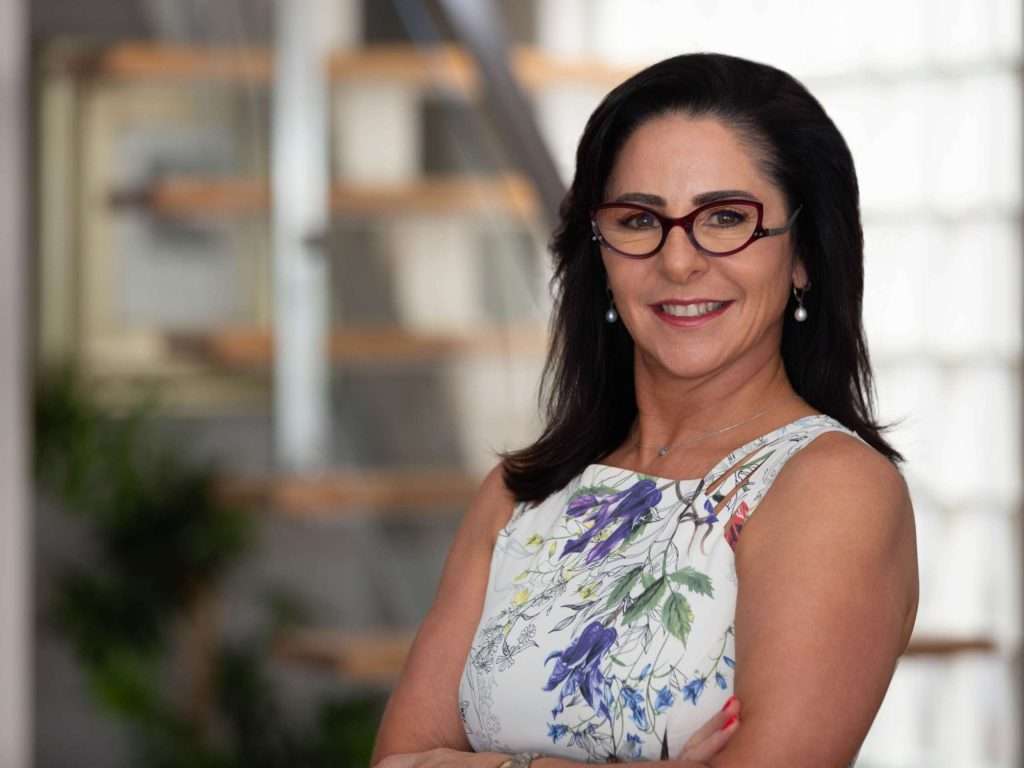
Phryne Williams, founder and director of Capital Assignments explains why CFOs are an alluring and strategic choice for the role of CEO.
Out of all the C-suite leaders, the CFO is exceptionally well positioned to take on the role of CEO. Their broad skillsets, deep understanding of the business landscape and involvement in company strategy make them a reliable and relevant choice to lead the business.
No longer defined by the traditional, one-dimensional, risk-averse, bean-counting stereotype, today the CFO is involved in shaping and executing company strategy, contributing to long-term planning and decision-making, and bringing an organisation-wide expertise that makes them attractive candidates.
I have found a significant increase in CFOs stepping into CEO roles. This trend highlights their abilities translate into playing broader, more strategic roles within the organisation, and how their involvement in digital transformation projects, global mergers and acquisitions, sustainability initiatives and long-term growth strategies have well prepared them to take on the challenges of CEO.
However, even though the CFO’s skills are uniquely suited to the role and can bring remarkable stability and insight, there are some challenges that could complicate their journey.
For CFOs aiming for the CEO role, it’s essential to evolve their leadership style to be more inclusive and collaborative, engaging with a broader range of stakeholders. This involves moving beyond financial prudence to a growth-oriented mindset. CFOs should sharpen interpersonal skills, enhance emotional intelligence, and develop the cultural competence needed to inspire and lead diverse teams.
Commercial-mindedness is a crucial requirement and to develop this, CFOs must broaden their understanding of the business by engaging across departments, focusing on market trends, customer needs and operational challenges. They should prioritise driving revenue growth, exploring new markets, and balance risk with reward to drive sustainable success.
A CFO taking on the mantle of CEO needs to recognise the importance of revenue growth amid exploring new markets, and balancing risk with reward to ensure long-term success.
Changing tack: moving the F to an E
I advise CFOs aspiring to become CEOs to embrace the mantra that “leaders are made, not born”, a sentiment famously attributed to Vince Lombardi. They need skills that allow them to motivate diverse people and nurture their talents across the entire organisation. They need to prioritise becoming an adept communicator who builds trust and remains accessible, fostering a positive work environment where people feel engaged and valued.
Aspiring CFOs should ask themselves the following questions:
- Do I embrace ongoing learning and innovation?
- Do I have experience working across other functional areas in the business?
- Can I network, connect and engage to build relationships and opportunities?
In this fast-changing world, emotional intelligence and adaptability are crucial for leaders. Identifying and addressing personal blind spots through self-reflection, mentorship, or coaching is critical for growth.
Networking is another essential component of CEO readiness. Cultivating relationships through industry events and professional associations helps you to connect with industry leaders, keep abreast of emerging trends and expand your influence. I often advise CFOs to develop a personal brand that reflects their leadership style, expertise and values, which can further enhance their appeal as CEO candidates.
CEO-readiness for CFOs requires careful planning, strategic networking and a commitment to lifelong learning. Candidates who focus on building their leadership skills, expanding their professional networks, and developing a strong brand will position themselves as appealing leaders for organisations seeking transformative leadership.