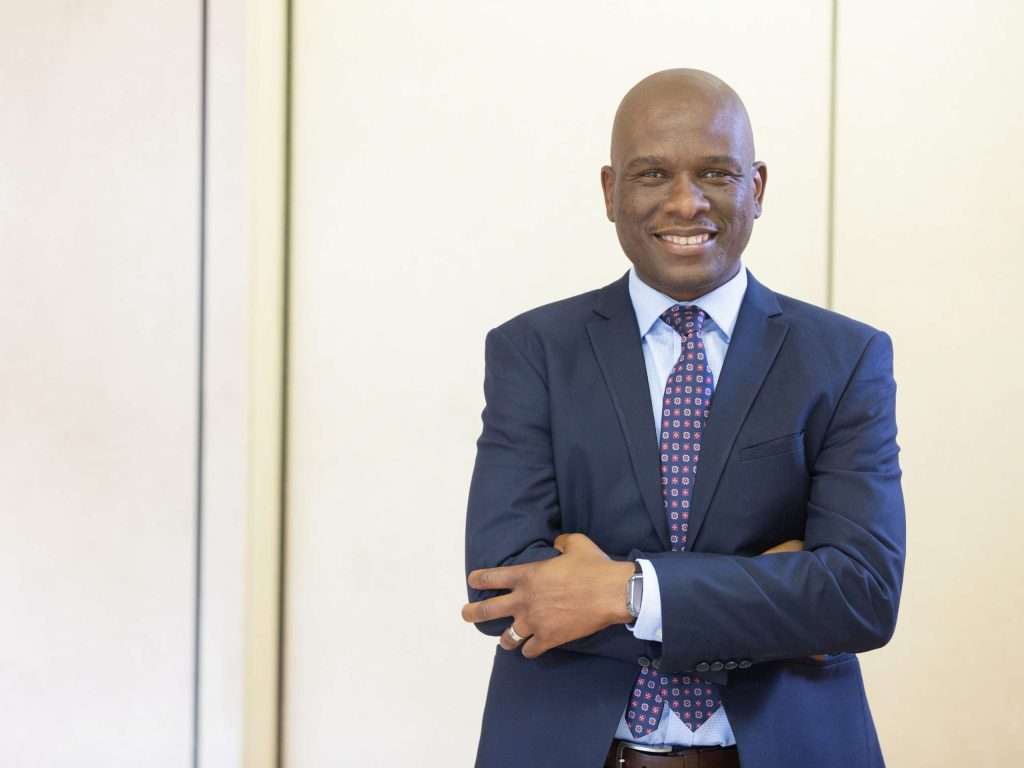
In the high-stakes world of finance, where precision and performance often overshadow personal wellbeing, mental health is not a luxury, it is a fiduciary duty. Experience within senior finance roles shows that strong support systems, including family, mentors and peer networks, can anchor a leader through intense professional pressure. These structures offer perspective, guidance and connection, ensuring that wellbeing is treated as a strategic imperative rather than an afterthought.
My support systems were the anchor that helped me regain balance and my family provided the essential non-work identity. They reminded me that my value was not solely tied to my P&L statement. Simply stepping away to focus on a child's school event or a family dinner provided mandatory perspective and relief.
My mentors, particularly those who were also senior executives, played a vital role. They understood the context of the pressure cooker. They didn’t offer sympathy; they offered wisdom and tactical advice on managing stakeholders and workload, which validated my feelings without compromising confidentiality within my organisation.
Connecting with other CFOs who were silently navigating similar challenges provided immense comfort. Knowing you are not alone in the specific struggle of senior leadership stress is incredibly validating.
The stigma that seeking psychological help is a sign of weakness is a powerful, dangerous myth.
What helped me overcome this personally was recognising a fundamental truth of the finance profession: You outsource when you lack capacity or expertise.
I reframed seeking help not as a sign of failure, but as a commitment to peak performance and due diligence. I outsource legal advice and sometimes even complex operational tasks to experts. If my primary tool, my mind, is not functioning optimally, why would I not bring in the ultimate expert to tune it?
I realised the true weakness wasn’t seeking help; the weakness was allowing sub-optimal mental health to compromise my judgement, my relationships and the quality of my leadership. It became a risk management issue. Prioritising my mental health was actually a fiduciary responsibility to the organisation and my family.
Integrating mental health at Soul City
As a leader at the Soul City Institute, an organisation focused on social justice and wellbeing, bringing mental health awareness into the culture is a core value, not an add-on.
I speak openly about my own boundaries, my commitment to self-care and the need for time off. Leaders must model the desired behaviour.
We explicitly enforce the principle that communication outside of standard working hours should be reserved for genuine emergencies. We celebrate disconnection, not overwork.
Dedicated resources: We ensure our employee assistance programme (EAP) is not just a brochure but an actively promoted, confidential, high-quality resource. We link discussions on performance and growth to discussions on wellbeing, stressing that one cannot exist without the other.
Check-ins over check-ups: We encourage “How are you really?” check-ins in team meetings and one-on-ones, moving beyond superficial pleasantries to genuinely gauge emotional load.
CFO actions to normalise mental health conversations
CFOs must use their influence and analytical mindset to normalise these conversations:
- Treat stress as a KPI risk: Frame stress, burnout and emotional exhaustion not as HR issues, but as tangible business risks impacting precision, decision-making and talent retention. Present data on the financial cost of presenteeism and turnover caused by poor wellbeing.
- Shift meeting culture: Start board and executive meetings with a mandatory moment of human connection, asking a non-work question or checking in on the collective energy before diving into the numbers.
- Share your own boundaries: Explicitly state: “I won’t be checking email after 6pm”, or “I’m taking a mental health morning tomorrow”. This gives implicit permission for teams to do the same.
- Advocate for budget: Proactively budget for wellness programmes, EAPs and time-off initiatives, demonstrating that mental health is a strategic investment, not an overhead cost.
Read more on why he believes mental health belongs at the centre of financial health