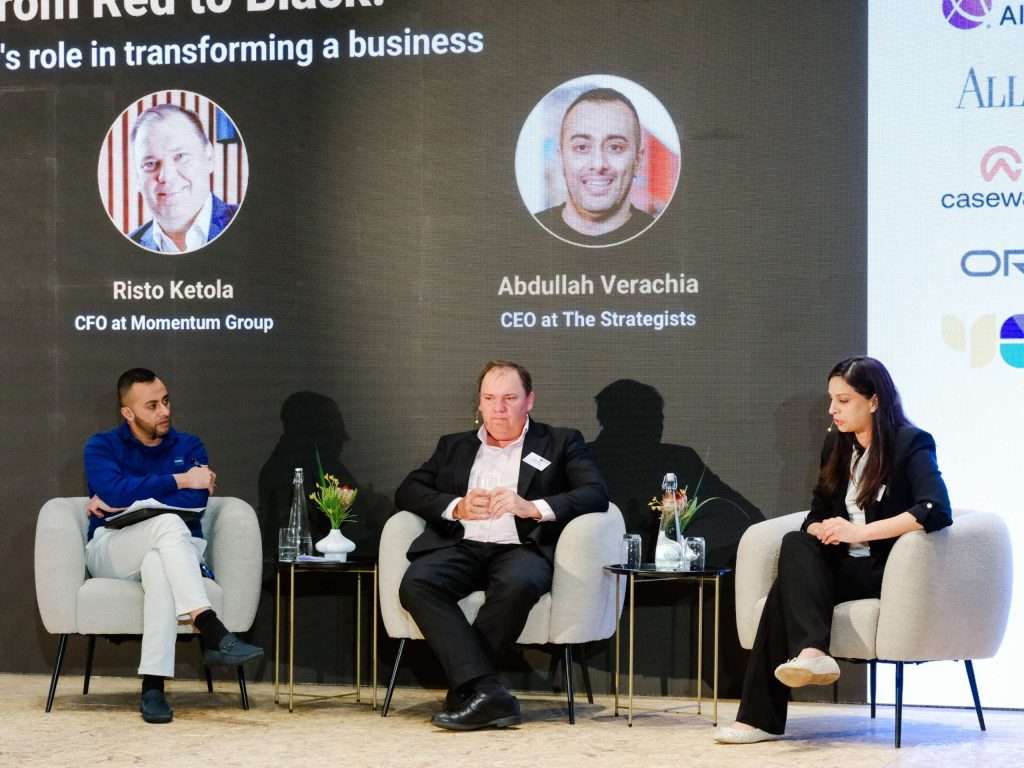
CFOs Risto Ketola and Ashona Kooblall share how bold decisions, transparency and emotional intelligence helped their organisations recover from crisis. Talking at CFO Day at the Marriott in Melrose Arch, both stressed that today’s CFO must drive value, while leading with empathy and clarity.
In a session entitled From Red to Black: The CFO’s Role in Transforming a Business, panellists Ashona Kooblall, CFO at iOCO and Risto Ketola, CFO at Momentum Metropolitan Holdings, shared how finance leaders can leverage their expertise to steer organisations through the uncertainty of change.
Moderator Abdullah Verachia, CEO at The Strategists, kicked off the session by asking Risto to share Momentum’s ‘recovery story’, which took place from 2016 to 2020.
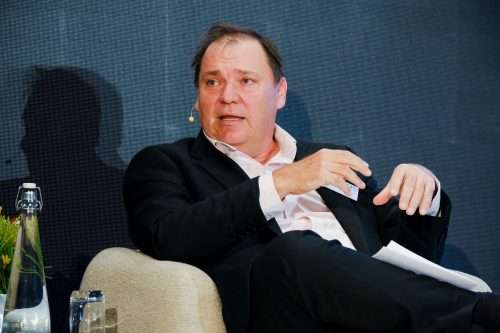
Risto explained that leading up to Momentum's March 2020 results announcement, the organisation was seeing a positive turnaround trajectory, but then Covid-19 hit. “For context, the Momentum Group was created out of a merger, and at the time, I was working in banking. I was watching the developments carefully, and initially, the market liked the merger. It made perfect sense to put two medium-sized businesses together to create the third-largest insurer in South Africa,” said Risto.
However, he noted that from 2013 to 2016, the market stopped loving the merger because investors weren’t seeing benefits. In response to the market's concerns, management at the time created a new operating model.
“[Many functions were centralised] so all product people were lumped together to improve efficiencies. This was good in theory but not in practice, as they spent more time arguing about setting priorities,” explains Risto.
From vanity projects to value creation
Risto joined Momentum in 2016, and he was surprised by how unfinished the merger was, five years on. “Many informal promises were made and there was zero system integration,” he added.
According to Risto, he was an external appointment by design. “Internal employees had a lot to defend, and the operating model change had only been made two years previously; it was hard to acknowledge it was a mistake. It’s easier for an external person to make tough decisions. My main job was to get to the truth of the economics. There were lots of allocations and deals, and it was hard to see the true picture of where we made and lost money.”
Momentum appointed a new CEO in 2018, and the organisation reverted to the previous business models, where many functions were decentralised – so everyone ended up with clearer business lines and better decision-making.
“There were some vanity projects too, based on the [start-up] idea of ‘fail often but fast’. That doesn’t happen, you fail slowly and experiments cost you. So, we became more brutal: if revenue targets were not met the project would be cut. We shut down quite a few initiatives,” said Risto.
Risto noted that Momentum’s recovery is ongoing, but the company is doing better as market share and profitability have improved. His biggest lessons learnt? “Communicate well. We spent an inordinate amount of time explaining why we were doing what we were doing. Be honest about job losses – people can handle the truth but empower them to be part of the process. Also, celebrate victories early. Every quarter make a big song and dance about financials improving.”
Moving into the future
For Ashona, the EOH to iOCO transition has been bumpy, but, she shared, the organisation made a considered decision to say to stakeholders that the past is in the past and iOCO is moving into the future.
“There was still tremendous value to unlock, we had new CEOs, a new board,” said Ashona. “We looked at the meaning of value creation and what had to be done to improve liquidity and profitability.”
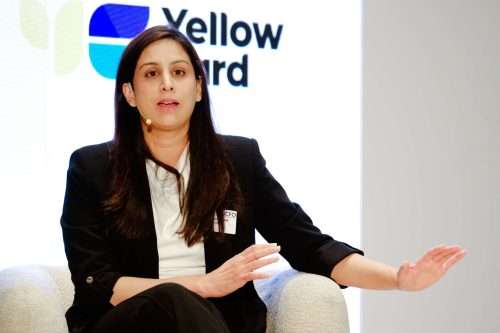
Ashona pointed out that one of the great assets the company had was loyal employees focused on excellence and innovation. She added that the first thing the organisation did was rebrand – iOCO was the largest EOH division.
“We had to go through the JSE processes and get shareholder buy-in. We did it sensitively but quickly. Then we focused on revenue generation and the core businesses and empowered business leaders and teams by giving them autonomy in decision-making. We also focused on capital and resource allocation, talent investment, and driving customer obsession,” said Ashona. Underlying all of this, she highlighted, was iOCO's purpose and values behind the change.
“We’ve regained market share and share price, and profitability has grown,” she said. “The CFO wears many hats during a transformation, but you need to have the right team, with people who drive stewardship and do the right things. Finance is the engine of an organisation, and you need the full support of the ecosystem,” she added.
Relationship-building and the human side of change
Moderator Abdullah then posed a pertinent question to the panellists: With so many changes, emotions are high. How do you manage the complexity of decision-making?
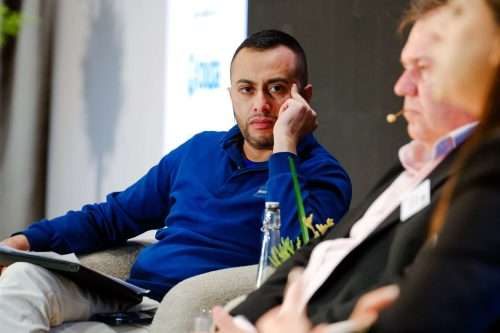
For Risto, impulse control and EQ is so important as he’s seen a lot of bad behaviour kill decision-making. Also, as the finance function, CFOs need to understand that not everyone makes decisions the same way – they need to think from multiple perspectives, and put themselves in different people's shoes, from human capital to reputational management.
For Ashona, intensity of emotions comes with any major change, but maintaining respect and creating full transparency on why decisions are made is critical.
When it comes to building and strengthening the relationship with the CEO, Risto said that every CEO is different, and you need to accommodate that. “Work on the relationship. When people nod in the boardroom, sometimes they nod with a different intensity, check in with them afterwards. You need to understand the dynamics otherwise you’ll be out in the cold. You need to understand what the CEO wants from you, the CFO.”
For Ashona, relationship building is as difficult or as easy as you make it. “The relationship has to work to achieve success, so you need to get to a point where you agree based on open communication. Remember, you’re one person, and you’re trying your best,” she concluded.