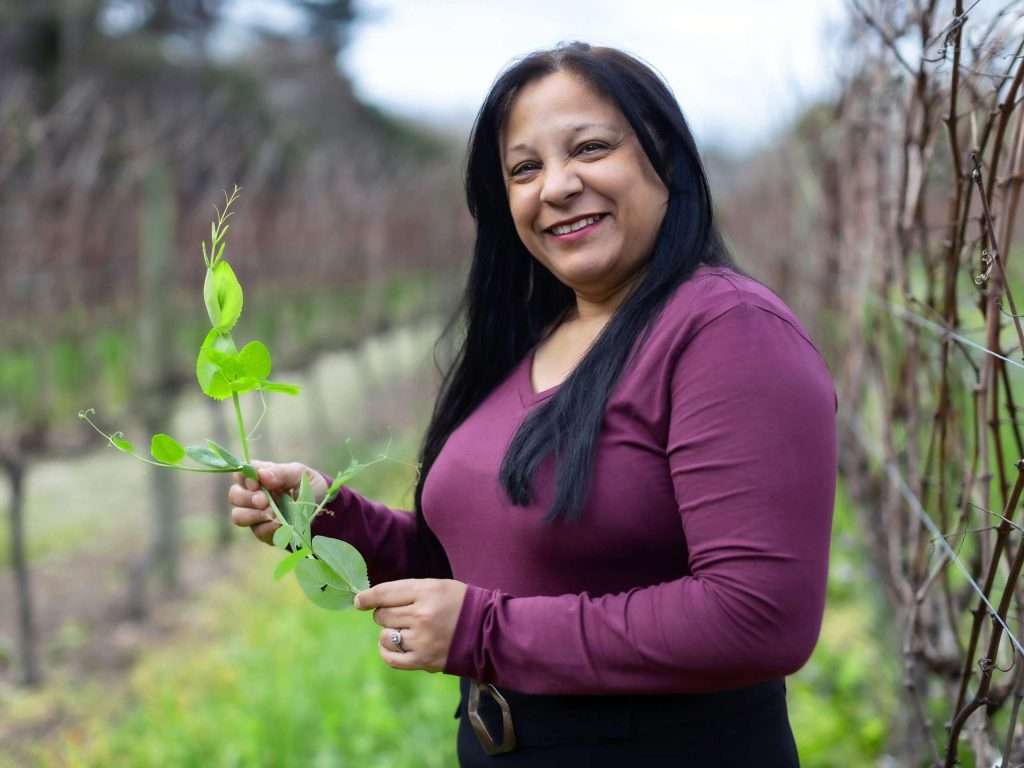
Amanda February reflects on her journey from joining Groot Constantia, South Africa’s oldest wine-producing estate, in 2007 to becoming CFO, and the importance of financial sustainability, responsible stewardship and people-centred leadership.
For Amanda February, being CFO of Groot Constantia is about more than managing the numbers. Having spent nearly two decades with the historic estate, she has seen first-hand how financial discipline, good governance and strong leadership can help preserve its heritage while preparing it for the future. In this Q&A, Amanda reflects on her career journey, the changing role of the CFO, the challenges of balancing financial sustainability with heritage and the leadership lessons that have shaped her.
You have been with Groot Constantia since 2007 and have grown into the CFO role. What has been the most significant lesson from your journey with the organisation?
One of the greatest lessons has been that a career is built through many different experiences, not just the positions you hold. Over the years, I have experienced change, challenges and opportunities that have all contributed to my development. I have learnt to remain adaptable, to keep learning and, importantly, to trust my experience. I have also come to appreciate that you achieve very little on your own. The people around you and the relationships you build along the way are extremely important.
Groot Constantia is both a working business and an important part of South Africa’s heritage. How do you balance financial sustainability with the responsibility of preserving its legacy?
I believe the two go hand-in-hand. We cannot preserve our heritage without ensuring that the organisation is financially sustainable. As CFO and together with our management team, I have a responsibility to ensure that resources are managed carefully and that decisions are made with both the present and the future in mind. At the same time, financial considerations must always be balanced with the importance of protecting what makes Groot Constantia unique. It is about respecting the past while making responsible decisions for the future.
What are some of the biggest financial or strategic challenges involved in ensuring that a 341-year-old institution remains resilient and relevant for future generations?
One of the biggest challenges is balancing the costs of maintaining a historic estate with the need to remain competitive and sustainable in a changing environment. There are also economic pressures, rising operating costs, changing consumer expectations and the need to continually invest in the business. At the same time, we cannot lose sight of our identity. The challenge is to find opportunities for growth and improvement while remaining true to the heritage and values of Groot Constantia.
How has your role as CFO changed beyond traditional financial management, and what role do you play in shaping Groot Constantia’s broader strategy and future?
The role of a CFO today is much broader than simply managing the finances. Financial information is an important part of understanding the overall health of an organisation and supporting good decision-making. My role is also to provide information and insight that helps management and the Board make informed decisions. I see the CFO as someone who provides insight and guidance, not just financial numbers.
You describe leadership as being built on integrity, resilience and investing in people. How have these principles influenced your own leadership style?
These principles have shaped the way I approach both my work and my relationships with people. I believe that integrity is important because people need to trust your decisions and know that you will do what is right for the organisation. Resilience has helped me with difficult situations without losing focus, while investing in people has taught me that a leader's success is closely connected to the success of the team. I try to lead with fairness, respect and an openness to learning from others.
As a woman who has built a long career in finance and now leads the financial stewardship of a national treasure, what challenges have shaped you most as a leader?
There have been many moments where I have had to step outside my comfort zone and make difficult decisions. Those experiences taught me to trust my judgement and have confidence in my abilities. I have also learnt that you don’t always need to have all the answers. Being willing to listen, ask questions and learn from others is a strength, not a weakness. My career has taught me to be resilient, to remain true to my values and to approach challenges as opportunities to grow.
What advice would you give to young women entering the finance profession who aspire to reach senior leadership and CFO positions?
My advice would be to invest in yourself and never stop learning. Build a strong technical foundation, but also develop your communication, leadership and people skills. Take on opportunities that challenge you, even when you are not completely confident that you are ready. Find people who can mentor and guide you, but also learn from your own experiences. Most importantly, believe in yourself and don’t be afraid to make your voice heard. Your career is built over time, through the choices you make and the reputation you develop.
Looking ahead, what is your vision for Groot Constantia, and what would you like your contribution to its next chapter to be remembered for?
My vision is for Groot Constantia to remain financially strong, relevant and true to its heritage while continuing to evolve with the times. I would like to see the organisation continue to grow responsibly and remain a place that future generations can be proud of.
Personally, I would like my contribution to be remembered as one of responsible stewardship, helping to strengthen the financial foundations of the organisation, supporting good governance and contributing to a culture where people can develop and succeed. Ultimately, we are custodians of something that belongs not only to us, but to future generations, and I would be proud to have played a part in protecting that legacy.