From AI and coding to transformation and developing future finance leaders, CFOs shared their perspectives on how the accounting profession is evolving and what employers need to do to keep pace.
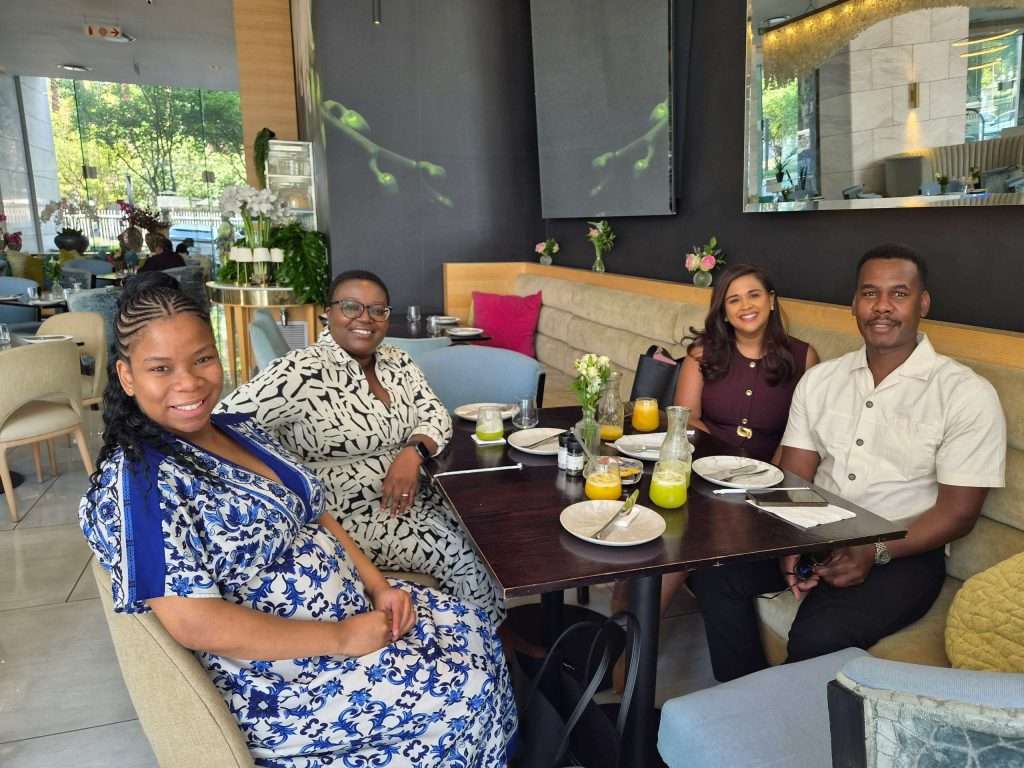
A good breakfast, a room full of finance leaders and conversations that go well beyond the numbers made for an engaging morning as CFOs gathered for an exclusive breakfast hosted by CFO South Africa.
The discussion centred on the changing face of the accounting profession, with transformation, artificial intelligence, skills development and the future of young finance professionals taking centre stage.
As technology reshapes the way finance teams work, one of the key questions was how employers can prepare their people for a profession that is becoming increasingly digital while ensuring that the human skills behind good finance leadership are not lost.
Transformation in the accounting profession goes beyond changing demographics. It also requires employers to understand the different experiences people bring into the workplace and provide the support they need to thrive.
One CFO reflected on the importance of looking beyond assumptions when developing young professionals, particularly as more diverse groups enter the accounting pipeline.
“Sometimes we assume we know what people need, rather than asking them what would actually help. With AI, there are so many ways to personalise training instead of giving everyone the same programme and expecting the same results,” a CFO said.
The conversation also touched on the differences in educational backgrounds and the additional support some trainees may need when entering the profession.
An attendee highlighted that technical knowledge alone does not always determine whether someone succeeds in their professional examinations. Knowing how to apply that knowledge, structure an answer and work through practical scenarios can make a significant difference.
The challenge for employers is therefore to create environments where young professionals can develop their capabilities without expecting everyone to follow exactly the same path.
AI is changing the skills equation
The conversation naturally turned to AI and the growing role it is playing in finance departments.
While prompting AI tools is becoming an increasingly useful skill, one CFO argued that professionals should understand what happens behind the technology rather than simply accepting its answers.
“My entire team has had to learn how to code. You can prompt AI as much as you want, but if you don't understand what the prompt is doing, you will never really know what it is producing,” the CFO said.
The approach has included coding training over the past three years, with team members learning about tools and programming languages such as Python.
Rather than viewing AI as a reason to reduce headcount, the CFO explained that the technology was helping the existing team increase its capacity and take on more responsibilities across international markets.
“I'm not downsizing my team. What I'm doing is increasing its capacity. My South African team is now able to take on countries outside Africa, which means we can do more with the people we already have,” the CFO explained.
The discussion also raised questions about how the next generation of accountants will develop professional judgement when technology can produce answers in seconds.
One attendee suggested that the profession is experiencing another evolution, much like the move from typewriters to computers and from traditional examinations to open-book assessments.
The difference, the attendee explained, is that professionals are increasingly being assessed on their ability to interpret information and apply it, rather than simply remember it.
Keeping the human element
While AI can improve efficiency and help teams identify information that might otherwise be missed, the breakfast also highlighted the importance of emotional intelligence, critical thinking and human connection.
One CFO raised concerns about whether younger professionals are getting enough opportunities to develop the resilience and problem-solving skills required in demanding workplaces.
“I don't worry as much about the intelligence of the next generation because they will have access to incredible tools. What concerns me more is their emotional intelligence, how they apply themselves and whether they can manage pressure,” the CFO said.
Another attendee noted that AI-generated reviews and queries can sometimes create an overwhelming volume of feedback, leaving employees with little time to investigate and respond meaningfully.
The challenge, therefore, is not simply to produce more information faster, but to understand which questions matter and allow people the space to work through them.
The importance of workplace culture also came up, particularly when discussing how younger employees learn through interaction with colleagues. One CFO shared how their organisation prioritises in-person engagement, including keeping virtual meetings small and encouraging participants to be fully present.
“Connection is important because we learn from one another. You cannot build a culture if people are not engaging, speaking to each other and taking the time to understand how others work,” an attendee said.
As the morning's conversations showed, the future of accounting will require more than keeping up with new technology. Employers will need to rethink how they recruit, train and develop talent while creating workplaces where different generations can learn from one another.
And, as the CFOs agreed over breakfast, the numbers may be changing, but people remain at the heart of the profession.
Those in attendance were:
- Ronelle Reddy - CFO, JP Morgan
- Vimbainashe Macheka - CFO, Brave Group
CFO SA Community Manager Thekiso Anthony Lefifi and I meet with groups of CFOs throughout the year to exchange ideas, discuss emerging trends and strengthen the CFO SA community.
If you’d like to join us for one of these conversations, we’d love to hear from you. Get in touch with either of us at [[email protected]](mailto:[email protected]) or [[email protected]](mailto:[email protected]).