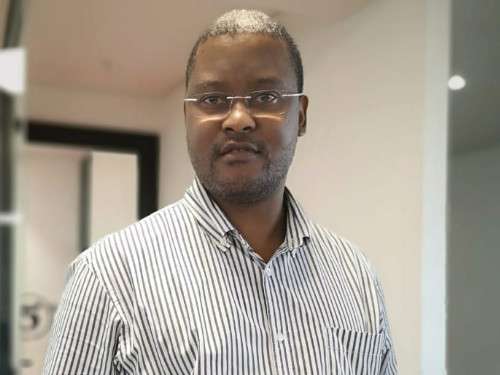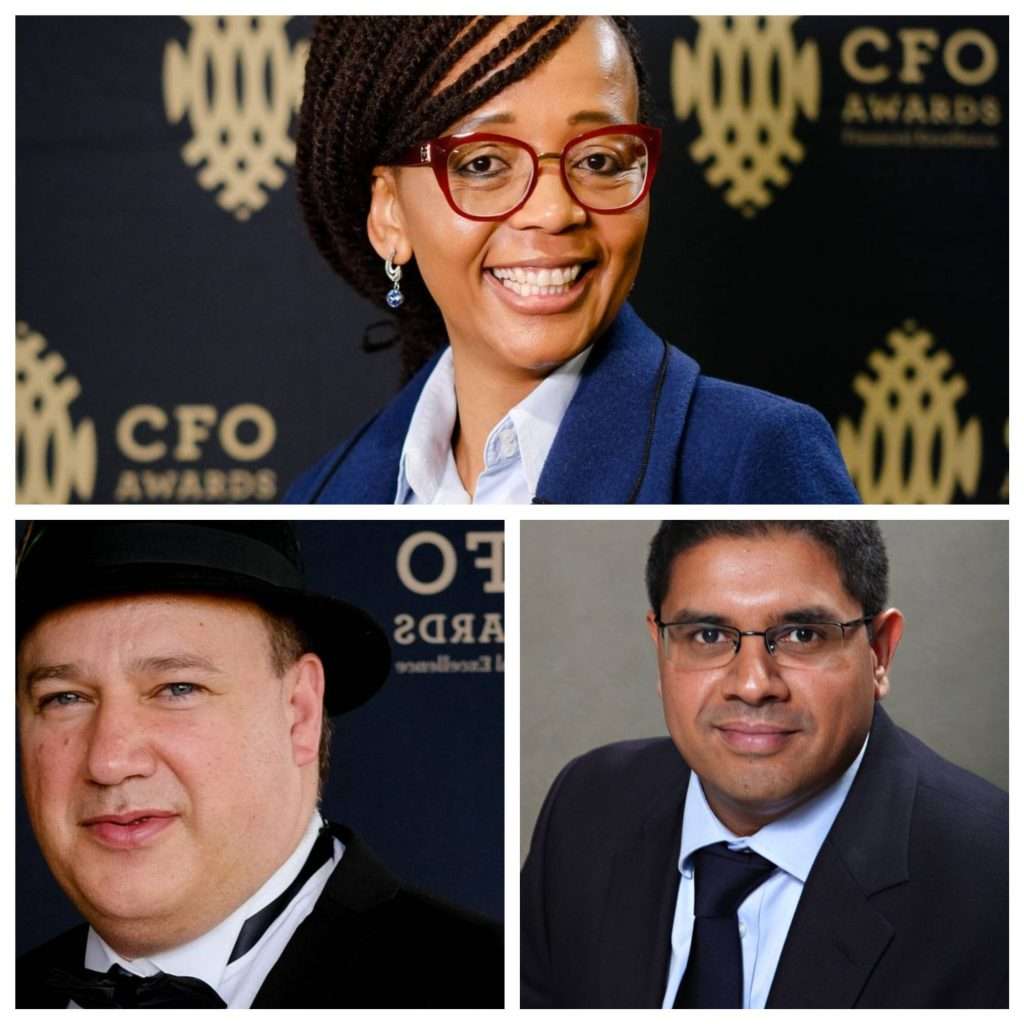
Becoming a CEO also entails much more involvement in the overall strategy direction of the organisation, say CFOs-turned-CEOs Ramasela Ganda from Avis Southern Africa and Zeda Limited, Jaco Maritz from Syspro, and Yuresh Maharaj from Liberty, to find out more about the traits required for a successful transition from CFO to CEO.
Yuresh says while his financial expertise remains a cornerstone of his leadership approach, he now has to spend a lot more time overseeing operations, strategy development, and stakeholder management. “Stepping into the role of CEO, I understand the importance of balancing the broader responsibilities that come with this transition. To navigate these multifaceted responsibilities effectively, I prioritise building a strong leadership and support team.”
Jaco believes that to achieve the focus you need to be a successful CEO, you need to realise that even though there might be overlaps between the two roles, there are unique aspects. These include understanding and developing other disciplines and competencies required, from people management, culture development, change management and managing executives from across these disciplines to strategic planning and execution, and stakeholder management.
However, he adds that to be kept in check, it would help to ensure that you have a robust and brave CFO working with you, who will not be afraid to challenge your decisions. “As well as ensuring that you realise that you are no longer the CFO, make sure that you have a very competent, tough-minded and strong-willed CFO next to you. As a former CFO you need that strong natural tension and challenges from your ‘in the seat’ CFO.”
Ramasela feels that her financial expertise will always come in handy. However, for her to be successful in her new role, her focus will need to be completely different from the CFO’s functions and activities. “I think about things like funding differently, especially because of our leasing, which has some of the features of a financial institution. Ensuring that we implement the strategy and engaging with different stakeholders is where my time and effort go.”
Jaco agrees: “Your focus has to change. While it could be tempting to still value the financial aspects of the business more, it is important to make the shift to focus more on the operations and the people, as well as driving your vision for the business and believing in it and making sure that everyone believes in it too.”
Significant overlaps, significant differences
Ramasela, Jaco and Yuresh agree that, even though there are significant overlaps between the two roles, significant differences still exist and must be acknowledged.
The first thing that happens, Jaco says, is that people in the organisation start looking at you differently. “People look at you as the leader who will make sure the business will achieve the vision that was created. It is both exhilarating and daunting at the same time. It happened overnight and it took me some time to get used to not only being the person that set the course, but feeling that responsibility everywhere and with everyone you are engaged in.” However, he adds, having a good management team helped him make the transition even smoother.
Jaco reiterates the importance of having a strong CFO to help test ideas with. “That natural counterbalance is needed to play the critical role of reviewing information and risks, asking the questions that nobody likes to answer, because as CEO you sometimes cannot ask these questions without derailing a discussion or decision.”
Yuresh feels that the biggest difference is a profound shift from managing the quantitative aspects of a company to shaping its strategic narrative and vision. “While as a CFO I focused on the meticulous analysis of financial data and forecasting future trends, stepping into the CEO role demanded a broader perspective. There is the need to craft a compelling strategic vision and storyboard that resonates with stakeholders. It's about articulating a vision that goes beyond numbers, one that ignites enthusiasm and belief in the organisation’s direction.”
He adds that as CEO he has had to learn to harness the power of words to inspire and motivate and to instil purpose and meaning in every aspect of operations. “It is evidently equally important to build a united management team on the strategic vision and galvanise the top management in the organisation to make the vision a reality.”
He says adapting to this transition demands the ability to communicate effectively, to rally teams around a shared vision, and to navigate complexities with clarity and decisiveness. “Embracing this shift has been both challenging and rewarding, as it has enabled me to lead not just with numbers, but with a compelling narrative that drives growth and success.”
For Ramasela, the other two key elements in being a CEO are customer relations and continuously driving the organisational culture to improve customer experience. She feels that the biggest difference between the two roles is that as a CEO she has to drive positive employee engagement and ensure that she looks after employees “with a good employee value proposition for retention and attraction of the appropriate skill”.
The importance of good and positive human relations in the workplace also explains why Ramasela believes in the power of building effective relationships. For her, to be successful as a CEO, having a solid and loyal mentor by your side to use as a sounding board and to offer practical advice helps. It also helps with making the transition much easier. “You benefit greatly from having someone who assists you in crafting your path, and has regular honest conversations with you about the gaps in your strategy and the possible plans to close them.”
Jaco believes that making an effort to build skills outside financial expertise, informally and formally, will help. “When you have an opportunity to do development courses, choose courses such as change management, culture development or people management.”
However he says one does not necessarily have to wait until they are formally a CEO to start acting and behaving like one. “Take on opportunities to temporarily ‘sit in chair’ when the CEO is on leave, or take the initiative to stand-in to familiarise yourself with the duties and responsibilities.”
He also advised that, should the opportunity present itself, a CEO in the making can go through a COO role between CFO and CEO. For him, the experience was valuable as he got to understand the transitioning and difference between being a CFO and being operationally responsible. “The step-up to CEO would have been much more difficult if it wasn’t for the learnings and scars of being COO.”
Yuresh is also of the view that building skills outside financial expertise can go a long way. “Cultivate a growth mindset, embracing challenges and continuously seeking opportunities for personal and professional development. Develop the skill of storytelling to effectively inspire and motivate individuals, crafting a compelling vision and purpose that guides the organisation towards future success. And you also want to build and empower a trusted leadership team that can work alongside you and support you.”