A rise in capital expenditure pushed up depreciation costs while its share price dropped almost eight percent lower.
Sappi has reported a 12 percent drop in quarterly profit. The South African pulp and paper maker said earlier today that profit in the quarter ending June fell to $51 million – down from $58 million in the same period last year.
The company, which sees 45 percent of its sales in Europe and 23 percent in North America, said in a statement:
“The third quarter is seasonally and historically our weakest quarter due to the slowdown in business activity during the northern hemisphere summer holiday period, and Sappi’s choice to use this quarter to undertake major annual maintenance shuts. There is good demand growth for specialities and packaging papers. Given current market conditions and exchange rates, we expect our Q4 operating performance to be similar to that of last year.”
Earnings before interest, tax, depreciation and amortisation, which excludes special items, was flat at
$155 million compared to the prior comparable period, the company reported. It added that capital expenditure reached $188 million, mainly due to a paper machine conversion at its Somerset paper mill and optimising production at its Ngodwana and Saiccor mills.
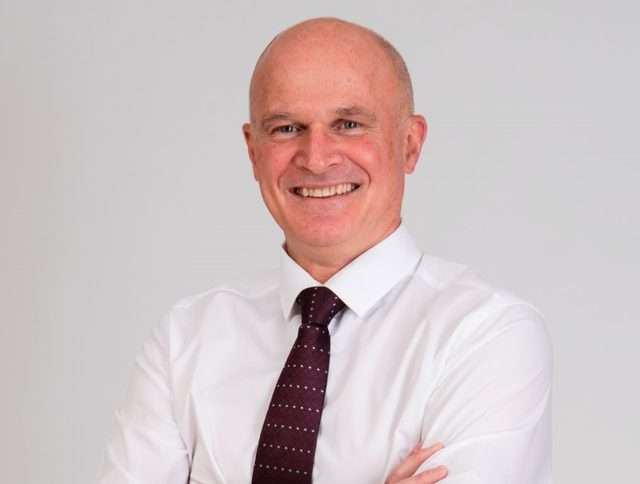
Pictured: Sappi CFO Glen Pearce