The matter of diversity and transformation in the workplace is topical and can, at times, be somewhat controversial. Roy Clark penned a broad and insightful guest article about transformation in CFO Magazine. As part of this, we asked Seithati Bolipombo, an inspiring young CFO, to share her thoughts on the topic. “Transformation won’t happen by osmosis or natural selection because at its core, it is a people thing. It comes down to people and behaviour and the decisions that people make,” she said.
"Legislatively it's a step in the right direction. Putting it into a regulatory framework such as BB-BEE and AA, that's a step in the right direction. It would've been ideal if we could've said to Business South Africa, 'You know the issues we have, please transform your businesses, thank you for your cooperation,' but chances are slim that they would act accordingly."
"Transformation won't happen by osmosis or natural selection because at its core, it is a people thing. It comes down to people and behaviour and the decisions that people make."
"You can't afford as a country or as a government to leave it up to the individual decision-makers to make the right decisions to move the country forward."
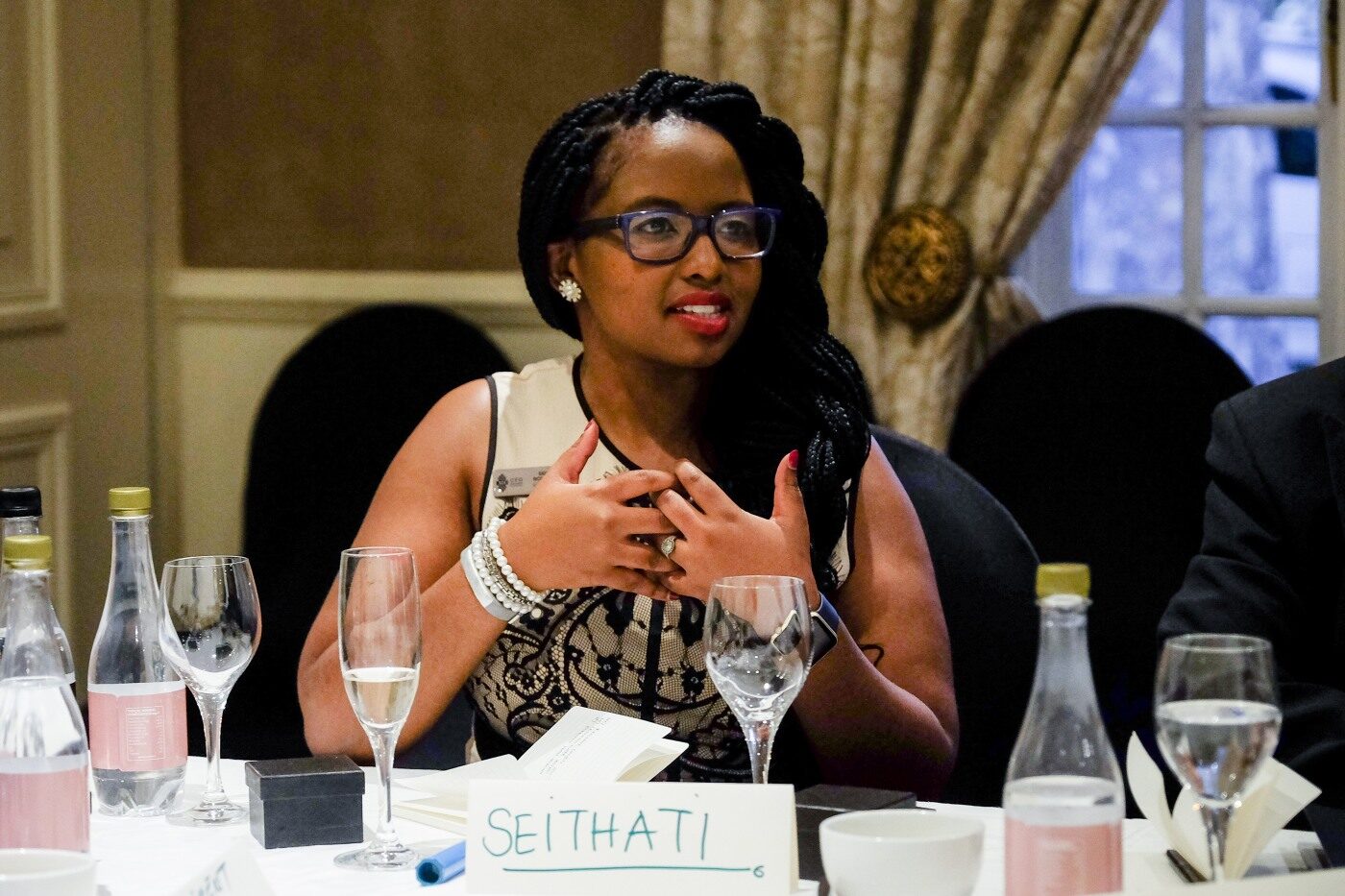
"Having a framework that holds every industry or sector accountable is a step in the right direction. We are making good strides. I look at myself as an example. I didn't grow up in a particularly advantaged environment. I was the first of my family to go to university, I couldn't afford an education but I still got a degree. When I qualified, it was because I was afforded the same opportunities as any other young person. Previously, I would have been excluded from this process not because of my abilities but simply because of the colour of my skin or the name on my ID. Now, as a professional black female, I can decide for myself where I want to work, how I want to work which environment I want to work in, and how I want to make my contribution to making the country a great one."
"But is there still room for improvement? Yes. Should we keep refining the legislature as time offers its lessons? Definitely. The BEE of 1994 and the BB-BEE of 2016 look different and should look different. The more inclusive the framework, the better for business and for the nation."