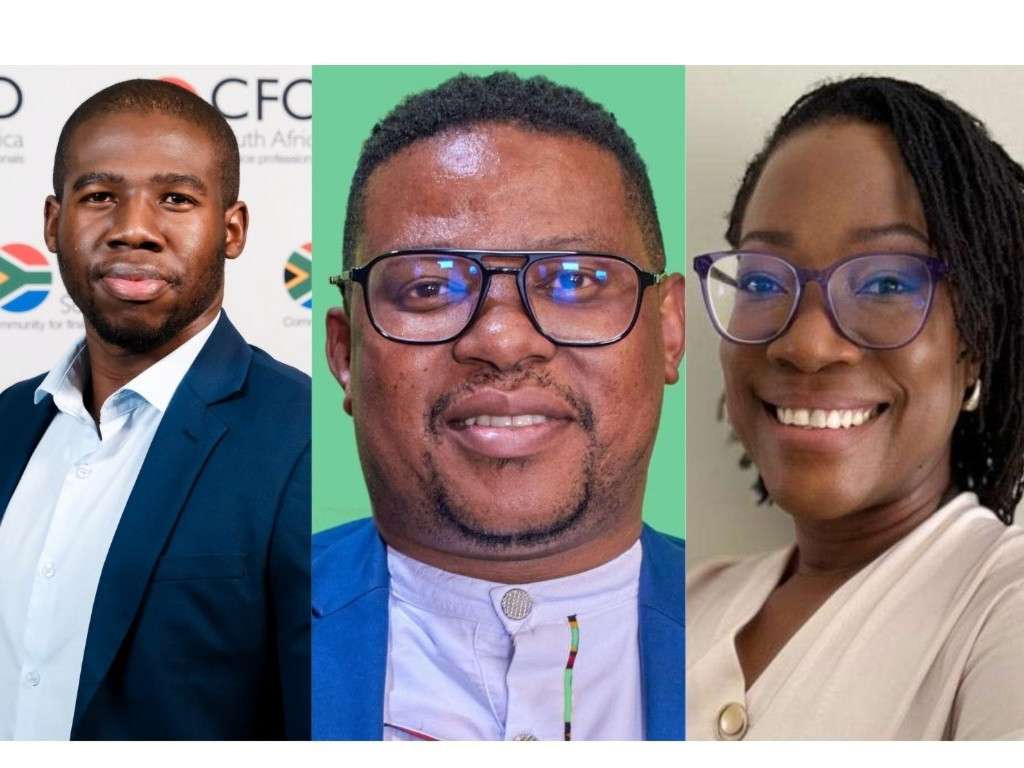
Former Bidvest Protea Coin CFO Helen Yiga; Metrobus CFO Luyanda Gidini and aspiring CFO and 2025 Global Changemaker Sitholile Sithole, share their perspectives on the transformation of the finance chief role, what the CFO of tomorrow might look like – and, is it a cool place to be?
The CFO role is undergoing a profound transformation. No longer confined to budgets and ledgers, the CFO of the future sits at the intersection of strategy, digital transformation, and social impact. From digital innovation to ESG oversight, capital allocation and risk resilience, the modern CFO has shed the stereotype of being a back-office number-cruncher.
For Helen Yiga, the shift has made the role more relevant than ever. “For sure, I think the CFO title and role is absolutely cool. The role has evolved from number-cruncher to strategic navigator/partner,” she explains. “I believe the youngsters today all want to be influencers; this role is definitely influential. In today’s economy, CFOs help drive growth, risk, and resilience through uncertainty.”
That influence stretches well beyond finance. Modern CFOs oversee technology projects, shape ESG policies, guide M&A activity, and respond to regulatory changes. For Helen, the role embodies impact: “CFOs sit at the crossroads of strategy, capital allocation, digital transformation, ESG, risk, etc., so the role has a very high impact.”
Luyanda Gidini echoes that sentiment. “I definitely think the role of CFO is cool! Imagine yourself as the brains in the organisation,” he says. “Not only are you expected to head the finances, cash flows and budgeting process, you are also expected to ensure that the organisational strategy is implemented in an effective and efficient way. Your opinion on every project matters more than any voice in the room.”
He describes the CFO as the “quiet voice in everyone’s head before they make a decision”, guiding questions of value creation, risk and cost-benefit analysis. For him, coolness lies in the weight of responsibility and the opportunity to shape outcomes.
Drivers of digital transformation
Meanwhile, Sitholile Sithole, a final-year trainee accountant recently recognised as one of 50 2025 Global Changemakers by the International Global Changemakers Organisation, takes a broader lens.
“Being a CFO is more than just cool, it's actually essential,” he argues. “CFOs in SA are digital transformation drivers, ESG guardians, strategic partners and they often bridge the gap between the boardroom regulators and the realities of the market.”
In volatile environments, where inflation, currency shifts and political change collide, the CFO often becomes the steady hand at the wheel.
“The CFO is increasingly asked not just how do we save, but how do we emerge stronger?” Sitholile notes.
Would the next generation pursue the role?
If the CFO role is cool, is it attractive enough for young people to chase? All three leaders believe so, but for slightly different reasons.
Helen pointed to influence and exposure. “Young people are drawn to roles with clear influence, rapid learning and opportunities to make a difference,” she says. “The career path offers advancement, cross-functional exposure and the chance to drive meaningful change in an organisation or in communities and markets.”
Luyanda sees the creativity of youth as a perfect match. “Young people are probably better fitted to be CFOs given their academic astuteness and creative capabilities,” he reflects. “The CFO of today and the future is not just a seasoned financial manager with superior accounting skills. He/she is someone that is expected to provide solutions to complex projects, find creative ways to grow and drive revenue growth, be disciplined in cost management, and always, always ensuring that the outcome is income.”
For Sitholile, the appeal lies in impact and adaptability. “For young professionals aspiring to this position, the focus should be on cultivating their core attributes: strategic insight, financial acumen, leadership skills and a deep understanding of the business landscape,” he advises. “It’s about opportunity, visibility, challenge and real impact.”