At an exclusive CFO Dinner in Sandton, finance leaders unpacked why capital remains on the sidelines, the changing investment landscape and what business and government can do to unlock growth.
Aurum Restaurant in Sandton set the scene for an evening of candid conversation and robust debate, as some of South Africa’s leading finance executives came together to discuss the forces shaping the country’s investment landscape.
At the heart of the discussion was a pressing question: why is capital sitting on the sidelines?
Against a backdrop of moderated inflation, easing interest rates and more than R1.8 trillion held in cash reserves, CFOs considered why investment remains subdued and what could unlock greater capital deployment.
The conversation explored what boards need to see before committing capital, how investor sentiment is changing and the opportunities South Africa could miss if businesses wait too long to act.
A country in transition
One CFO opened the discussion by reflecting on the significant changes taking place across South Africa and the finance industry, particularly as policy and industry reforms gather pace.
“In the automotive industry that I have been in, we have never seen this movement as we are seeing it now with all the changes and dynamics. Traditionally there was a problem, but with the speed and innovation that is unprecedented from the Asian car market, it has completely changed the journey.”
The CFO said the country continues to face challenges around policy, which can make investment decisions more difficult.
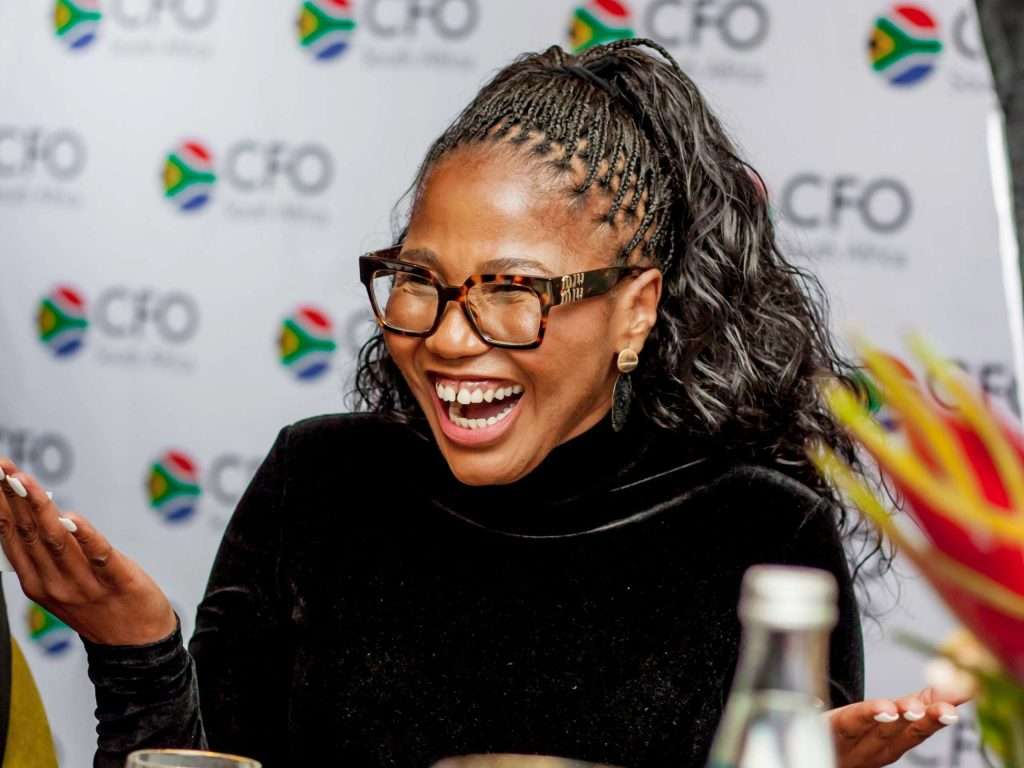
Another CFO pointed to developments since the formation of the Government of National Unity (GNU), saying there has been increased interest from foreign investors alongside changes in policy.
Interest in South African companies has picked up, although concerns remain around the nature of some foreign investment, particularly passive investment. Overall, however, there was a sense around the table that investor sentiment towards South Africa has become more positive.
Turning interest into investment
While the investment outlook has improved, uncertainty remains a consideration for international investors.
CFOs noted that the private sector is increasingly working alongside the government to ensure that South Africa has more investment-ready opportunities that can attract capital.
Investment into small and medium-sized enterprises (SMEs) was also identified as an area with the potential to contribute to economic growth and change the trajectory of the economy.
The discussion also touched on the impact of online gambling, with one CFO raising concerns about the amount of money being diverted from the economy into gambling.
The CFO acknowledged that the reasons people turn to gambling can be understandable, with some looking to supplement their income or make extra money, but said the scale of the spending was concerning.
South Africa still has a compelling proposition
Another CFO offered a more positive view of the country's prospects, arguing that the private sector should not wait for the government before taking action.
“But, let me say this,” the CFO said, “nothing is stopping the private sector from coming to the party! It is more positive and it is not as gloomy as it used to be.”
South Africa’s skills base and work ethic were highlighted as some of the factors that continue to attract international attention.
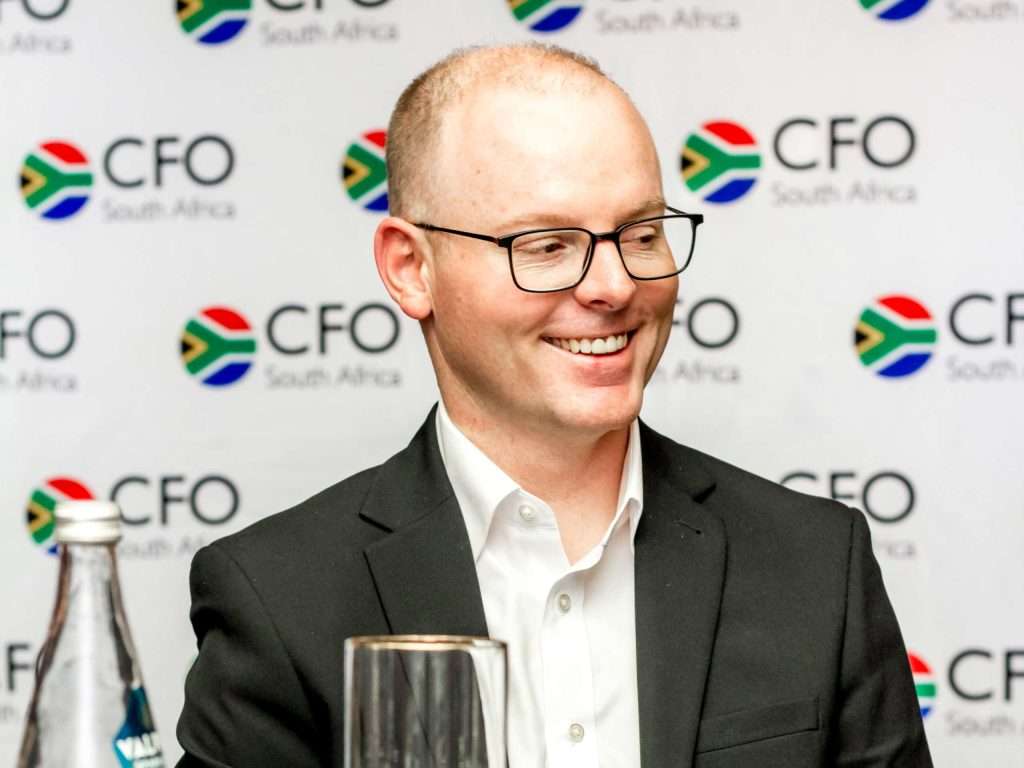
“South Africa is more palatable because of its skills, work ethic, etc. International attention into the country has grown because of that and we are more marketable and cheaper for international companies to make business. Yes, there are challenges, but there is more good.”
Tourism was also raised as an area where South Africa has significant potential.
“I think the tourism of this country is very great!” said one CFO.
“But, we just need to stop scoring our own goals!” another added, prompting laughter around the table.
Investment must extend beyond capital
The CFOs also considered the longer-term impact of investment, particularly its potential to support education and skills development.
One CFO noted that while investment can deliver short-term economic benefits, its longer-term contribution to education and skills development could be even more significant.
With unemployment remaining a challenge, the CFO said South Africa needs to ensure that people are equipped for an economy increasingly shaped by technology and innovation.
As investment flows into new technologies, there is a risk that people without the necessary education and skills could be left behind.
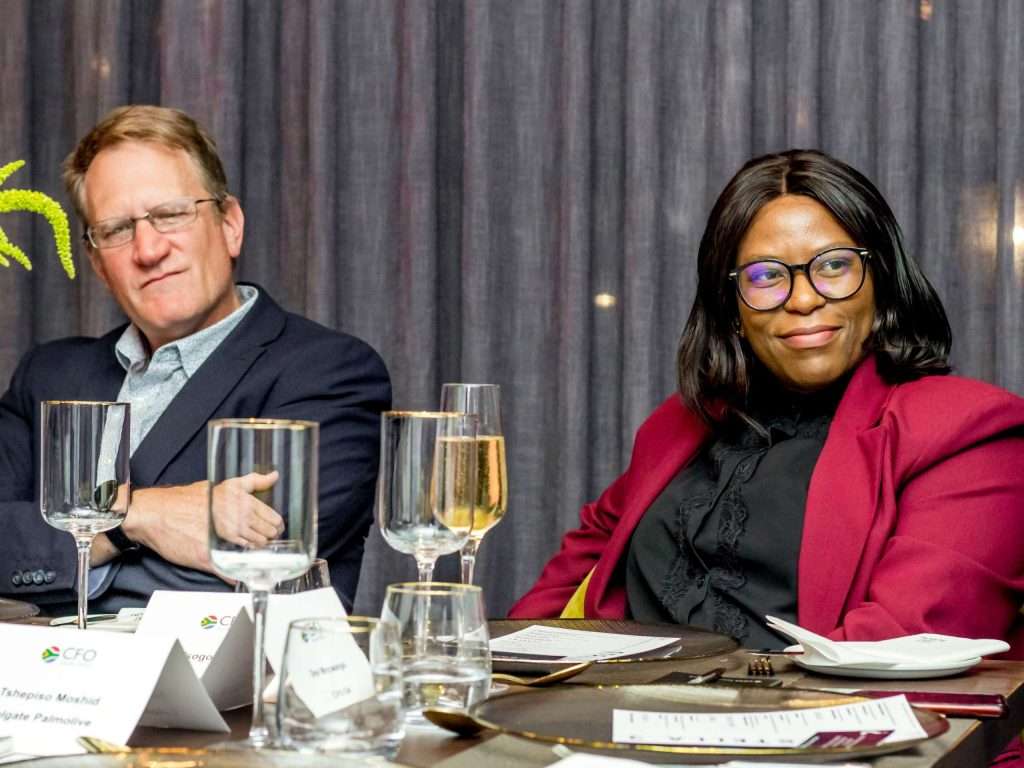
“We need to modernise and train people differently on certain technologies, and these are people that are well educated and qualified, otherwise they will be left behind in the value chain,” she said.
From Excel to AI
The changing skills requirements of the finance profession provided another perspective on how quickly the workplace is evolving.
One CFO reflected on how the expectations placed on finance professionals have changed during her career.
When she entered the market as a candidate, she said, she needed to learn how to work with Excel formulas. Today, candidates increasingly need to understand how to prompt AI programmes.
“AI doesn’t take from my capabilities, but it does actually help me get even better,” she said.
The comment highlighted the broader shift taking place across finance, where technology is increasingly becoming part of how professionals work, analyse information and make decisions.
Business has a role to play
A recurring theme throughout the evening was the role of the private sector in driving solutions.
While CFOs acknowledged that the government must be held accountable for areas such as policy reform, there was also agreement that businesses have a responsibility to act in areas where they can make a difference.
Government-private partnerships and stronger collaboration were identified as important to getting investment and economic activity moving.
“To get things moving we do need to have government-private partnerships and better collaboration,” one CFO said.
Another argued that progress does not necessarily require businesses to wait for large-scale solutions.
“If everyone at this table commits to something that they can do and to move the wheel, then we’re heading in the right direction. What matters is us doing what we can with what is available,” the CFO said.
Moving beyond box-ticking
The conversation also turned to enterprise development and the need for corporations to take a more deliberate approach to creating opportunities.
“Sometimes corporate needs to stop looking at enterprise development as just a tick-box exercise and actually do it more intentionally,” one CFO said.
“In fact, in our spaces we have to be more intentional. We actually also need to empower people by giving them the education they need along with practical opportunity.”
Another CFO highlighted the responsibility that comes with experience, noting that as professionals progress through their careers, they gain knowledge and insight that can be shared and applied more effectively.
One problem at a time
As the evening drew to a close, the discussion returned to the importance of practical action.
Rather than attempting to solve every challenge at once, one CFO suggested that the government could focus its resources on individual priorities and pursue them with greater intensity.
“If I could advise the government, I would ask them to just focus on one area at a time, invest in it and go all out on it, solving one problem at a time,” the CFO said.
The discussion around the table ultimately pointed to a shared focus on action: unlocking investment, building skills, strengthening collaboration and making use of the opportunities available to South Africa.
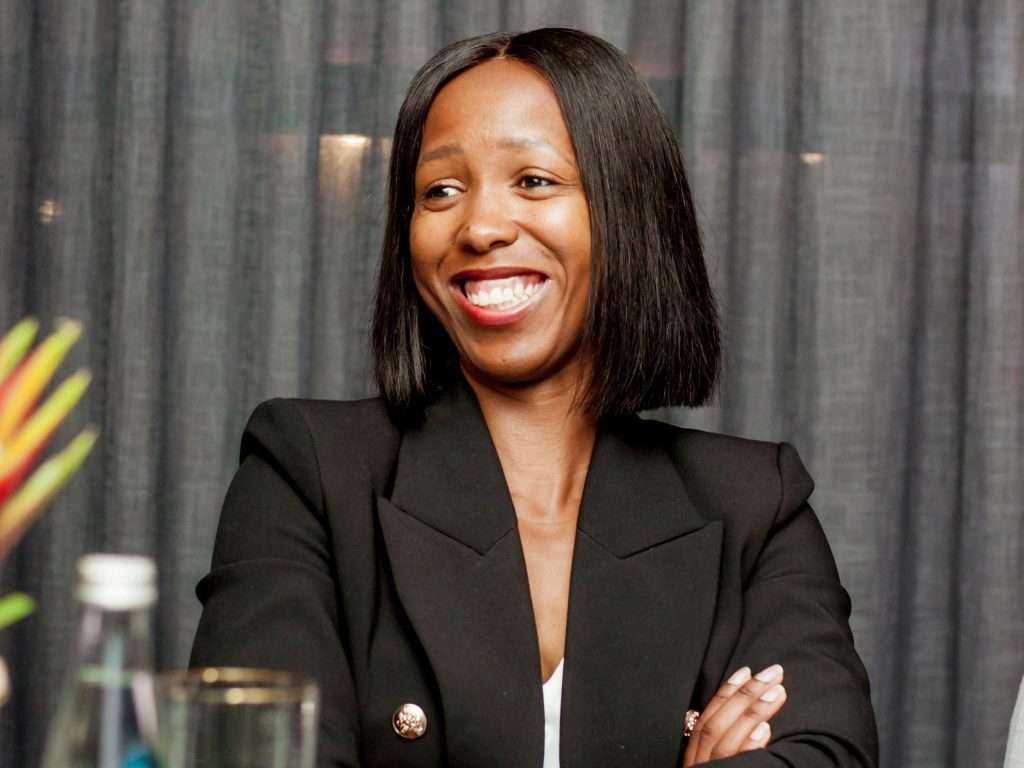
As the evening drew to a close, the conversation returned to the importance of action, collaboration and adaptability. While businesses continue to navigate a complex and uncertain environment, the discussion highlighted the role of leaders in identifying opportunities, responding to change and contributing to practical solutions.
As the conversation wound down and executives departed into the Johannesburg night, the evening left a clear message: navigating uncertainty requires businesses to remain engaged, work collaboratively and take action where they can make a difference.
Those in attendance were:
- Anele Geza - CFO and VP, BAIC SA
- Chris Rein - CFO, We Buy Cars
- Dale Stonebridge - CFO, RMB
- Fawzia Suliman - CFO, JSE
- Joy Malete - CFO, Sage
- Lumka Masiza - CFO, Everllence South Africa
- Marinus Pretorius - CFO, Polmed
- Nelisiwe Shiluvana - Group Financial Director, Famous Brands
- Otsile Matheba - CFO, A2X Markets
- Tsogo Rooi - CFO, Avis Budget Group
- Zodwa Mbele - CFO, DBSA