As Men’s Health Month comes to a close, it’s important to acknowledge the unique challenges faced by male executives, particularly CFOs. While often seen as pillars of strength, these individuals may struggle with mental health issues due to the high-pressure nature of their roles.
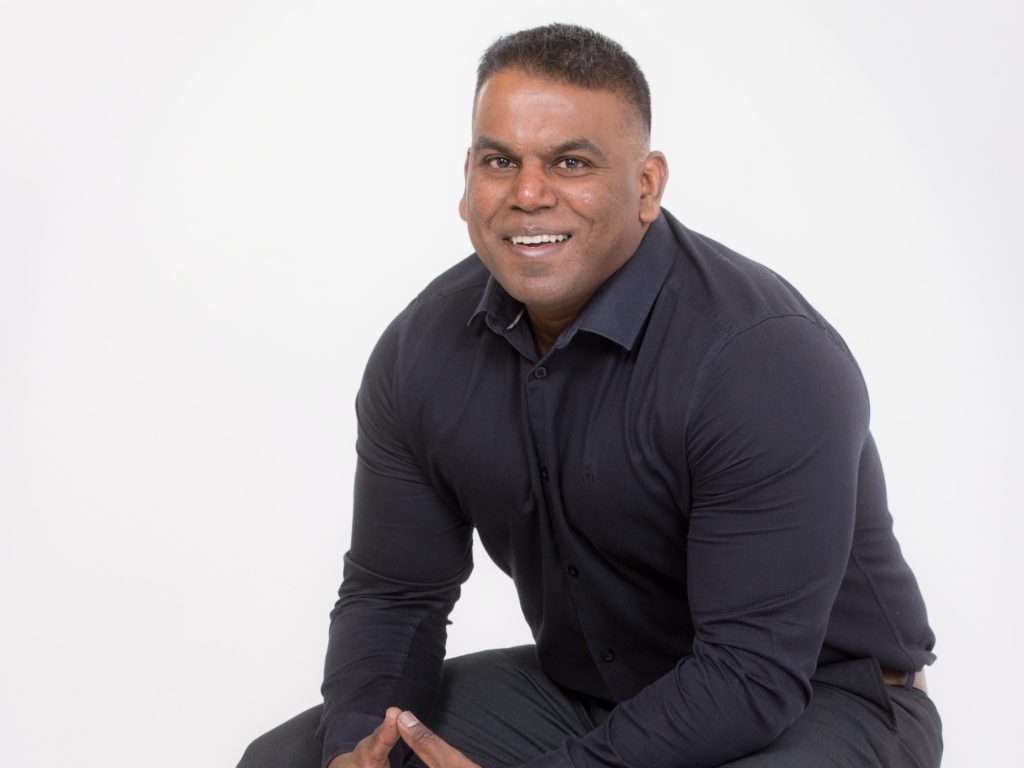
International performance coach Alvin Govender answers some pressing questions about male mental health in the workplace, and shares some tips on how executives can support one another, and maintain work-life balance.
Why is there still so much stigma attached to “being in touch with your emotions” for male executives?
Men have been measured (traditionally) on the physical aspects, such as physical strength, possessions, wealth, abilities/skills. Emotional intelligence was not seen as important until recently, for most men, so a man expressing pain or their feelings is not something that was encouraged. The focus is on getting the result, picking yourself up and achieving success.
Male executives have a façade of strength and play a support role for many in a business. They become role models, and these executives do not have someone supporting them. To express vulnerability is seen as a weakness.
What are some of the more common challenges men deal with when it comes to mental wellness in the workplace?
Many men are struggling with depression and anxiety, due to a number of reasons, including feeling isolated, increased demands, loss of identity and family issues. Suicide statistics for men in South Africa are three times higher than women. Due to lifestyle changes and habits, men are also struggling with multiple health issues. Relationships are also becoming more complex, and it seems easier to escape a relationship. With online dating sites being a big contributor in divorces, many people are now experiencing the pain of divorce or getting dumped. And as the cost of living increases, it is becoming harder to make ends meet. Retrenchment is a big factor, and many people are not prepared for losing a job. All of the above have a knock-on effect on one’s mental health.
What can male executives do to maintain a healthy work-life balance, without compromising their mental health?
You will never achieve balance if you focus only on time in a single day; one aspect of life will always dominate. Prioritise what is important (e.g., health/fitness, family, relaxation, spirituality). Then, allocate time each week for these priority items. And don’t be hard on yourself. For example, if you aim to exercise three times a week, schedule it and stick to it. Focus on what is relevant and realistic. This is called integration.
Striving for perfection and success in all areas can lead to more stress. Structure your week to include all high-priority items. Ensure you have free time each day to relax. Go for small wins and celebrate them. (For instance, a 1km walk is achievable and offers some benefits. A 10km run after work might not be possible and could lead to a sense of failure if you keep putting it off.)
Make healthier choices throughout the day, and remember the small wins will build confidence, and lead to bigger goals.
Alvin Govender is an international performance coach, inspirational speaker and facilitator with over 14 years of expertise in executive coaching, change management, and leadership development. He is also the CEO of Awakening Leadership.