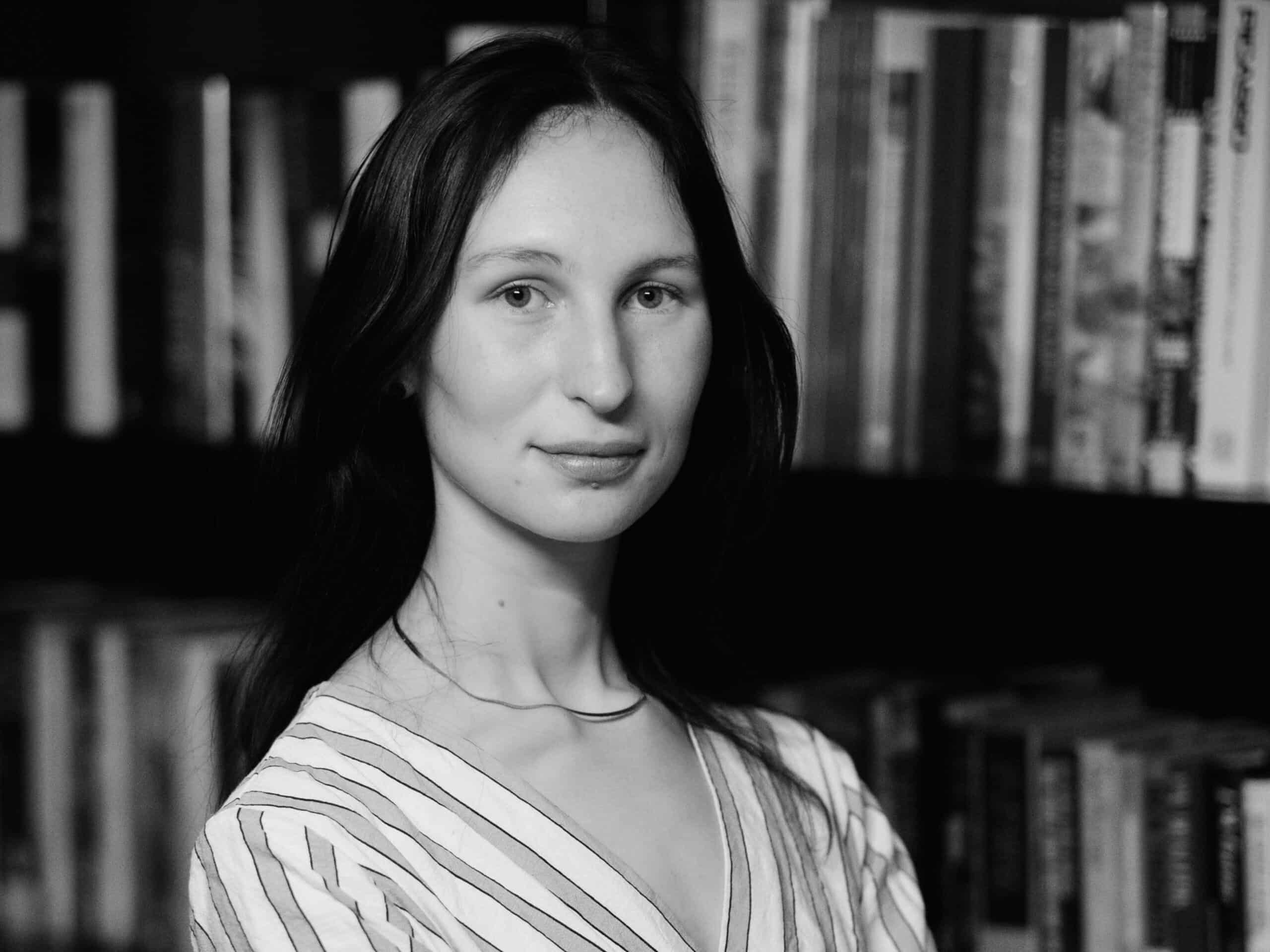
He explains that leaders need to be the light that guides their people towards positivity in 2023.
After what has been a turbulent two years, many members of the CFO community are opting to refocus their teams and leadership towards a more purposeful approach of doing business. This is no different for 2021 Young CFO of the Year Sheldon Friedericksen, who recently went from Fedgroup’s CFO to the company’s general manager of group benefits.
“I would like to achieve a purposeful approach within my team, built off the foundation of positivity,” he says, adding that he plans to have a more opportunistic approach to solving problems.
One of these challenges is the energy crisis South Africa is currently facing. And while this is not isolated just to our country, the continual nature and disruption it causes has taken a toll. “It is easy to understand the direct impacts loadshedding has on business, with many being unable to operate unless back-up facilities are available,” Sheldon explains. “Even if the back-up facilities are available, further challenges present themselves around the unaffordability of the consumption and shortage of fuel.”
He adds that businesses over the years have had to adapt to challenges like these, but that it’s important to run a business so that it’s prepared for various risks to its operating model. “Scenarios, risk registered, and financial impact analysis are crucial tools that each business and leader should use in their planning.”
Because Fedgroup is required to always be “on”, the company has ensured that it has sufficient back-up and business continuity plans for all possible disruptions. “What we have been focusing on more and more is our people and the impact these disruptions have on them. Communication and empathy are a starting point.”
Loadshedding has a greater unseen impact on people, Sheldon says. For example: the impact of traffic caused by loadshedding, less time to ensure an adequate work-life balance, and not being able to ensure you have a nutritious home-cooked meal. “All of these aspects, and more, remove the level of optimism required for growth, and the will to try something new. We all know that people drive a business, and if our people are not operating at peak performance the business will suffer.”
Similarly, Sheldon explains that while tariff hikes have been expected, and are continued to be expected going forward, the knock-on impact of this is a cycle of further inflation pressure, interest rate increases and exchange rate management. “The tariff increases only encourage further investment in off-grid utility provision mechanisms for both commercial and private consumers,” he says. “However, the challenge that still remains for holistic resolution is allowing others to use the excess power that is produced and not consumed at a fair import tariff that can encourage even more investment.”
Sheldon believes South Africa needs some optimism and people who are willing and able to create the sparks we need to light the fires that will lead us into a better future.
“There is so much negativity and fear in the world at the moment that makes it hard to see a spark, let alone determine a path or strategy to move forward. However, we must never forget that we can create our own sparks. With the right tools, momentum and people to fan the flames, this spark will spread.”
Sheldon explains that everyone has a role to play in igniting this spark. “The crucial aspect is to be courageous and inspire others to join you.”