Whether acquiring physical assets, consultancy firms, or building in-house solutions, return on investment remains the critical measure of success.
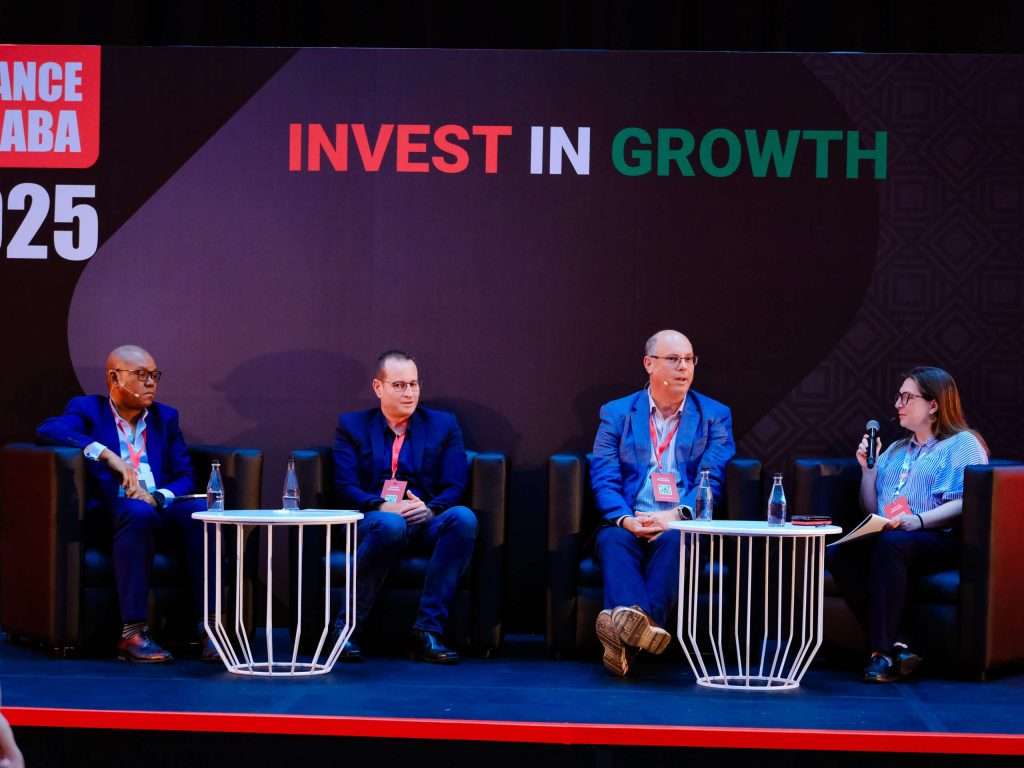
Finance experts speaking at the 2025 Finance Indaba highlighted several factors essential to ensuring ROI, including the discipline to walk away from deals when necessary.
Pieter de Wit, FD of Afrimat, said the company maintains a continuous pipeline of opportunities.
“For every acquisition that we do, there’s about 100 that we sign up for,” he said.
Potential targets are evaluated against Afrimat’s diversified mining portfolio and strategic objectives, with many falling away in early stages, Pieter said. Afrimat specialises in acquiring distressed or poorly managed businesses at low prices, unlocking shareholder value through operational improvements.
As part of this process, “overpaying is always a risk when you buy businesses... distressed businesses, by nature, are in a position where they make less profits or no profits at that point”.
He added that Afrimat’s acquisition strategy emphasises conservative valuations, targeting an internal rate of return “of north of 20 percent” to account for risk, while aiming to exceed that once synergies are realised.
A notable example is the acquisition of Lafarge South Africa’s cement business. Afrimat paid R1 billion for assets – including 12 quarries, a supplier business and the country's largest private railway line – valued at replacement cost, compared to over R3 billion to build a comparable plant from scratch, Pieter explained.
“Most of the work and the deal making and the negotiations are all done internally by ourselves,” he said.
External specialists are engaged only for complex mining or metallurgical challenges. Operational improvements are central to value creation. “You need an operational team that works with you to unlock those values... to become more efficient, cut out costs and up the efficiency,” he noted.
Protecting intangible assets through integration
Joe Ndala, CFO of Zutari, discussed the complexities of integrating services and knowledge into a company and the need to ensure cultural fit. “You buy people’s skills, you buy their experience, you buy their connections,” he said.
Because intangible assets can easily be lost if not carefully nurtured, Zutari prefers building talent internally, said Joe. At the same time, he noted that integration is critical for acquisitions.
“If you buy something small, there must be change management – you must make sure you integrate those people, otherwise it becomes us and them. The best thing to do is to move the team to work within your own space... otherwise they are going to continue that way. The next day you go there, there’s nobody,” he said.
Joe also explained that cultural alignment is important in acquisitions. “Sometimes it doesn’t work.”
Strategic pipeline management for IT investment
Richard Tanner, CFO of Korridor, told the audience that pipeline management is central to prioritising work. Korridor, a logistics FinTech company that provides a platform for cross-border transporters in Africa, has bought two software companies in the past eight years, he said.
Richard said there is a challenge in deciding whether to buy or develop software, starting with whether it’s needed at all. “I’ve never heard an IT guy say, ‘I can’t build that’. The question is whether you should build it. The question is: what are you working on and are you building a good pipeline? You need to take a step back and understand... where the business is in the lifestyle curve,” he said.
Pipeline management is central to prioritising work, he added, while also noting the need to assess products within the customer adoption curve and the business lifecycle to avoid spending on declining assets.
“You don’t want to be spending, adding new features to the bank branch when the bank branch is a dying product. You want to probably be spending as little money as possible on the bank branch and extracting the maximum value from it so that you can invest in new products and new features, which are going to be revenue generating,” he added.
At the same time, Richard said successful IT investment requires integrated go-to-market thinking. “If you launch a brand new product, nobody’s going to know about it... it needs sales, marketing, operations, onboarding, with associated customer acquisition and cost-to-serve considerations,” he said.
This is why Richard advocates for a role that would take products to maturity and help make them operational. “If you build an IT feature, it doesn’t just sell itself. It takes two to three years for a product to reach maturity. What’s often not thought about is that you never see chief product managers and we need to see them. How do they make this more operational?”
“If something doesn’t work, you go to the next thing. You try alternatives until you get it right,” concluded Pieter.