Modern finance leaders need to concentrate less on spreadsheets and more on the people who make up their team – and themselves.
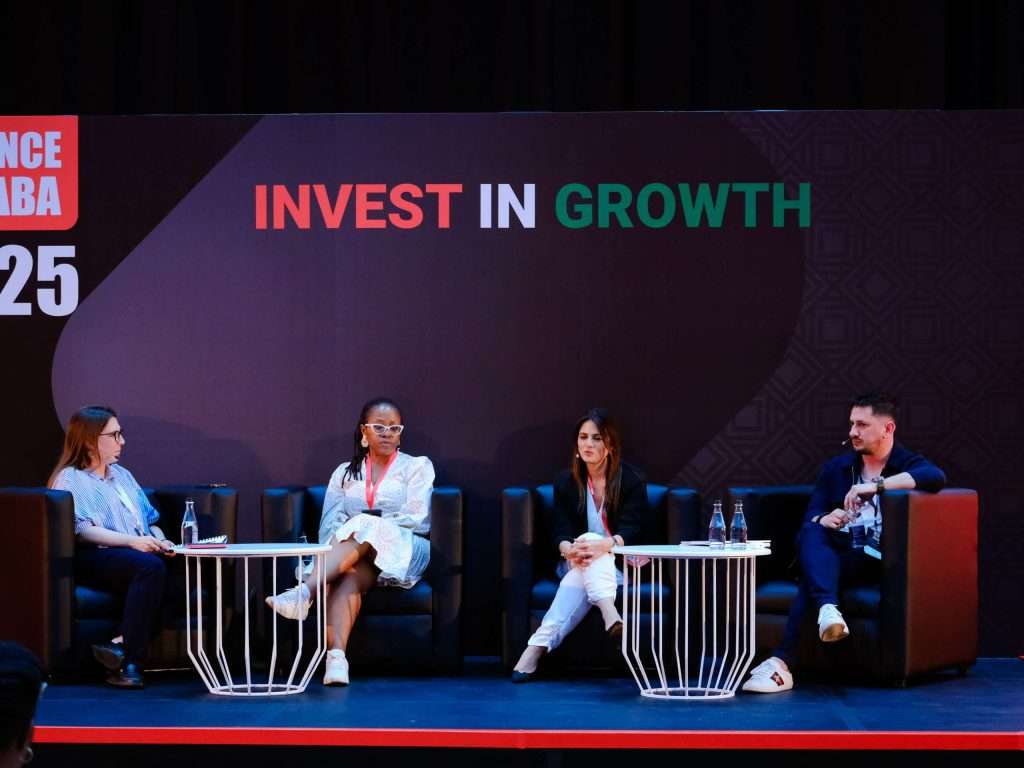
Finance leaders told delegates at the 2025 Finance Indaba that it’s important to be leaders who enable their teams to excel. Yet, what is equally vital is ensuring that CFOs also look after themselves.
Mikaeel Tayob, CFO of Bridgestone MEA, said that the modern finance leader’s role extends far beyond spreadsheets. “The real P&L is people,” he said, stressing that engagement, belonging and shared purpose underpin business transformation.
Reflecting on Bridgestone’s turnaround over the past four years, Mikaeel, the 2024 Young CFO of the Year, credited success to collective effort. “A lot of people played a significant part. This was not one, but I will say that this concept of purpose and belonging, I think above everything else, trumps any financial metric that you put on any paper.”
Mikaeel added that having this sort of culture enables conversations to be held from a position of understanding. “I think when tough decisions need to be made in the business, the rapport that you build with the teams that you have makes it a little bit easier to navigate and manage. And so, for me, at least in my team, nobody’s afraid to have tough conversations,” he said.
What has resulted from this approach, Mikaeel added, is that the work family dynamic has empowered colleagues to challenge leadership constructively. “Very able and willing to push back at me a lot of the time… Having really critical conversations.”
This does, however, come at the cost of balancing his life when it comes to work and outside work, Mikaeel conceded to the audience. “I struggle to balance my life because I see the two as equal almost.”
Leadership, Mikaeel added, depends on understanding people’s motivations. “When you understand somebody’s personal life and their journey and what gets them going, it’s easy to bridge that with where the company wants to go,” he said.
Linking personal ambition with corporate goals, Mikaeel explained, creates authentic influence that “gets results nearly all of the time… There’s the 10 percent of the time where it’s actually completely misaligned, but it starts with knowing your people, knowing who they are, what drives them, what inspires them, what motivates them”.
Leadership as practice, not position
BCX CFO CJ Kujenga also spoke of how important leadership is. “Technical excellence gets you through the door. But what actually keeps you in the room is the practice of leadership. I call it leadership as practice.”
CJ explained that, over the process of her career, she has evolved from positioning herself as someone who has all the answers to be credible, to “creating space in your team” so that they can achieve collective excellence.
Leadership, CJ said, “is not a destination. It’s a disciplined practice that lends practical wisdom, systems thinking, and bringing the human into the room”.
It is this sort of approach that better enables companies. “What really moves organisations forward is when we use our superpower and translate numbers into performance and decision-making insights and then cascade that information through the relationships that we build,” she said.
CJ also believes in enabling teams through providing information. “It's important to look at what we are doing, why does it matter? And then communicating that to your team with ownership. If you withhold the context, you really consume a lot of organisational energy and people think their time has been wasted.”
True leadership, CJ said, is measured by “the influence I leave behind… systems, structures and teams that outlive and outlast me”.
A framework for sustainable leadership
Yet, CFO of bp Southern Africa Michelle Isaacs said that leaders can’t lead if they themselves are empty. She urged leaders at every level to consider whether they are “generators of energy or extinguishers of energy”, reminding them that teams feed off their leader’s mindset and enthusiasm.
Michelle outlined a personal leadership framework built around seven Ps – two bookends and five principles in between – which guide how leaders sustain focus and energy.
The first bookend is person. “You cannot lead others if you’re not looking after yourself first,” Michelle said, stressing mind, body and soul care as essential to performance.
The five middle Ps are people, purpose, plan, performance, and partnerships. Leaders must “understand [their] people, how they function, what energises them”, and ensure both personal and organisational clarity of purpose, added Michelle.
For Michelle, plan refers to shifting from transactional to strategic leadership through transformation, digitisation and long-term thinking. Performance and partnerships centre on track record, collaboration and business relationships.
“We partner with the business… relationships with your team, suppliers, your customers. Partnership is so important,” she said.
The final bookend for Michelle is peace, which she said is the ability to stay grounded and resilient. “Make sure you have peace about where you are. Accept it, own it, embrace it,” she said, noting that experience builds character and that leaders must stay calm and composed under pressure.