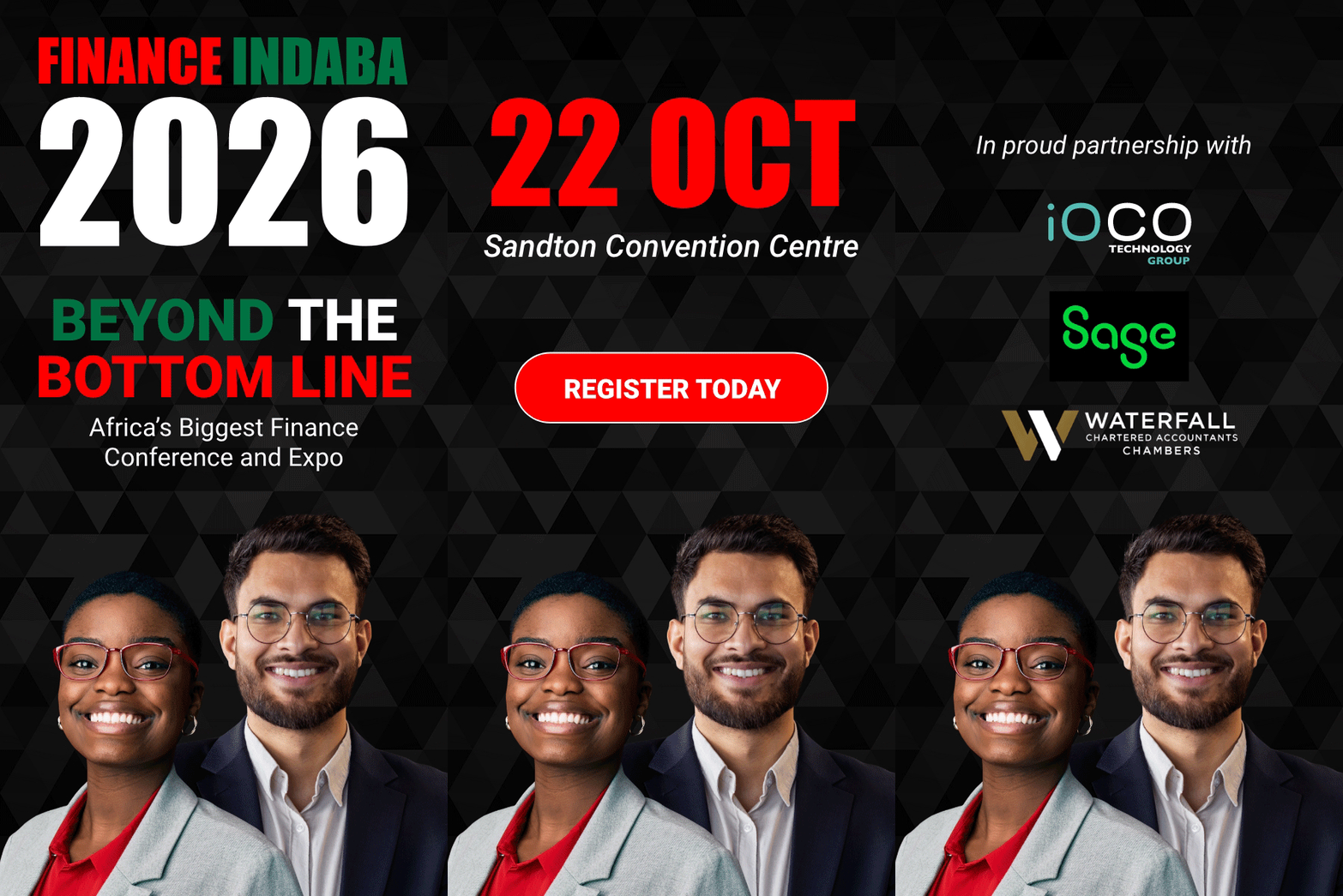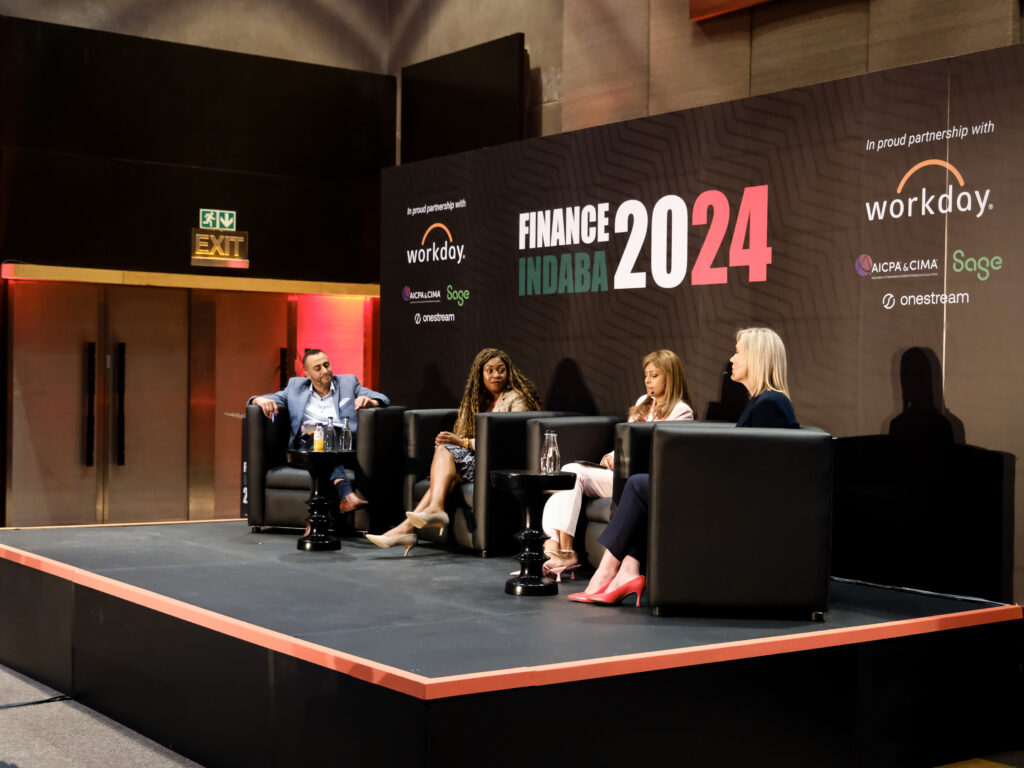
Diversity in the workplace fosters creativity and critical thinking, according to financial leaders who spoke at the 'Innovation through diversity: welcoming different viewpoints' session at the 2024 Finance Indaba.
At a DEI discussion at the 2024 Finance Indaba, Citibank CFO Roselyn Madiba shared how her global organisation has successfully implemented and attained the DEI model.
“There is a diversity and inclusion head on the top of the house. We have a lot of inclusion networks across the spectrum. We have the typical ones that we are all used to, such as a women’s network, but it’s actually more broad and covers over 11 different aspects,” Roselyn shared.
This list includes creating a multicultural environment with people from various backgrounds, experiences and locations, as well as recognising veterans and making room for young blood. It also caters to family dynamics by meeting the flexibility in how one carries about to advance their career whether they choose to have a family or not.
“The point and the reason for these different types of inclusion networks is for people to be able to see where they fit in and be able to still bring in their ideas and know that I can still grow my career regardless of where I’m at and whatever stage I am in my personal life.,” Rosselyn shared.
CFO of Tracker Connect, Clarrisa Appana, added to the discussion by unpacking why it is important to hire smarter and how to manage diverse teams.
“What I mean about hiring smart is not necessarily about book smart; we are speaking about lived experiences, and with that comes all the diverse ways of thinking and fresh ideas,” she shared.
Clarissa added that when following this notion, it is important to also create an environment that enables smart people to thrive. This she has managed to do by getting the buy-in from management to see the value in this new person and assess the value that his diverse skills and experience will bring to complement the existing team.
Since joining Tracker, I inherited the teams. It is about extracting the institutional knowledge and IP from the current workforce, identifying the capabilities that can be springboarded and elevated, and understanding the gaps that need to be filled with external talent.
I have been fortunate enough in my career to have experience building a function from a blank piece of paper, and being part of a team and having inherited teams. Almost counter-intuitively, its easier to have a blank piece of paper.
Clarissa stated that she is currently hiring and has decided not to prioritise obvious requirements such as technical skills and a financial background. Clarissa says she plans to consider those who come from different industries but show the capability to adapt quickly to new environments, including young candidates with less experience.
“Young people are quick to adapt. They have the power to learn, unlearn, and relearn in a very short space of time. This skill unfortunately gets harder as you get older but comes naturally in the younger generation.”
Decison Inc. CFO Joanne Tanner discussed the importance of gender balance in building a diverse team, sharing anecdotes about how she was the only female interviewed for a position and got the job in her earlier career. Since then, she has been inspired to appoint more women to her team, but she also understands the value of having men and people of different genders on board to maintain a healthy balance.
“Both men and women bring their own authentic styles to the organisation. Just because they are different doesn’t mean that they can’t work well together and compliment each other to create better end results, and that really is the power of diversity,” remarked Joanne.
Joanne also expressed how it is necessary to always have an open mind when it comes to building a team and that diversity enriches the experience for everyone involved. “Teams are made up of different people that come together at the right time. Give the right combination of people, and you could have a really powerful team,” Joanne enthused.
Joanne also highlighted the dangers of having too many like-minded individuals.
“When we have too much of the same thing, we tend to subconsciously group think, and that kills creativity and critical thinking, which is what we really need.”
Joanne ended her discussion point by expressing her satisfaction with regards to the balance she has created in her current team, stating that it is wonderful to see how this diversity is improving the team and the individual members’ performances.
The session concluded with speakers giving tips on how leaders can start creating diverse communities in their organisations.
Rosselyn said she believes in being more open-minded in the hiring process. “It is good to take the time to interview a diverse range of candidates, especially when there are open positions, because you will be surprised by what they can bring to the table.”
Joanne advised on seeking out unusual skills and incorporating them into business. “I normally have a chat with my management team, and we will talk about what skills we actually need in the team. Do we have to buy in to bring in this unique skill? Do we believe that we need this skill in this team? And what type of person are we looking for to bring in to compliment the rest of the team?"
Joanne also emphasised the importance of critical skills, soft skills, and a can-do attitude, particularly when bringing in something unique to the organisation.
Clarrissa unpacked diversity by saying: "Diversity can be inherent or acquired. Inherent being gender, ethnicity and sexual orientation."
"Acquired diversity involves traits you gain from experience such as working abroad and appreciating cultural differences which reference lived experience," as she continued from what Joanne said.
What YOU need as a leader is to immerse yourself within your team and get the lay of the land. What you often see is that the current employee capability has brought the business to the level that it is today, but in order to strive for radical innovation versus incremental innovation and essentially move from the status quo to the envisaged future-state, diversity is required.
Clarissa ended discussions with: The inclusiveness drives out future leaders. It is not only a corporate responsibility but a human one to ensure we are growing our young leaders and enabling them with platforms to do so.
Our Impact on people and their career and what that means for a future growing country such as ours, will far outweigh any cost savings that we will be remembered for.